
Mediterranean Diet Snack Ideas: Healthy, Traditional, and Delicious

Discover authentic Mediterranean diet snacks for every time of day. Learn easy, traditional, and healthy snack ideas that are nutrient-rich, support digestion, and help maintain energy.
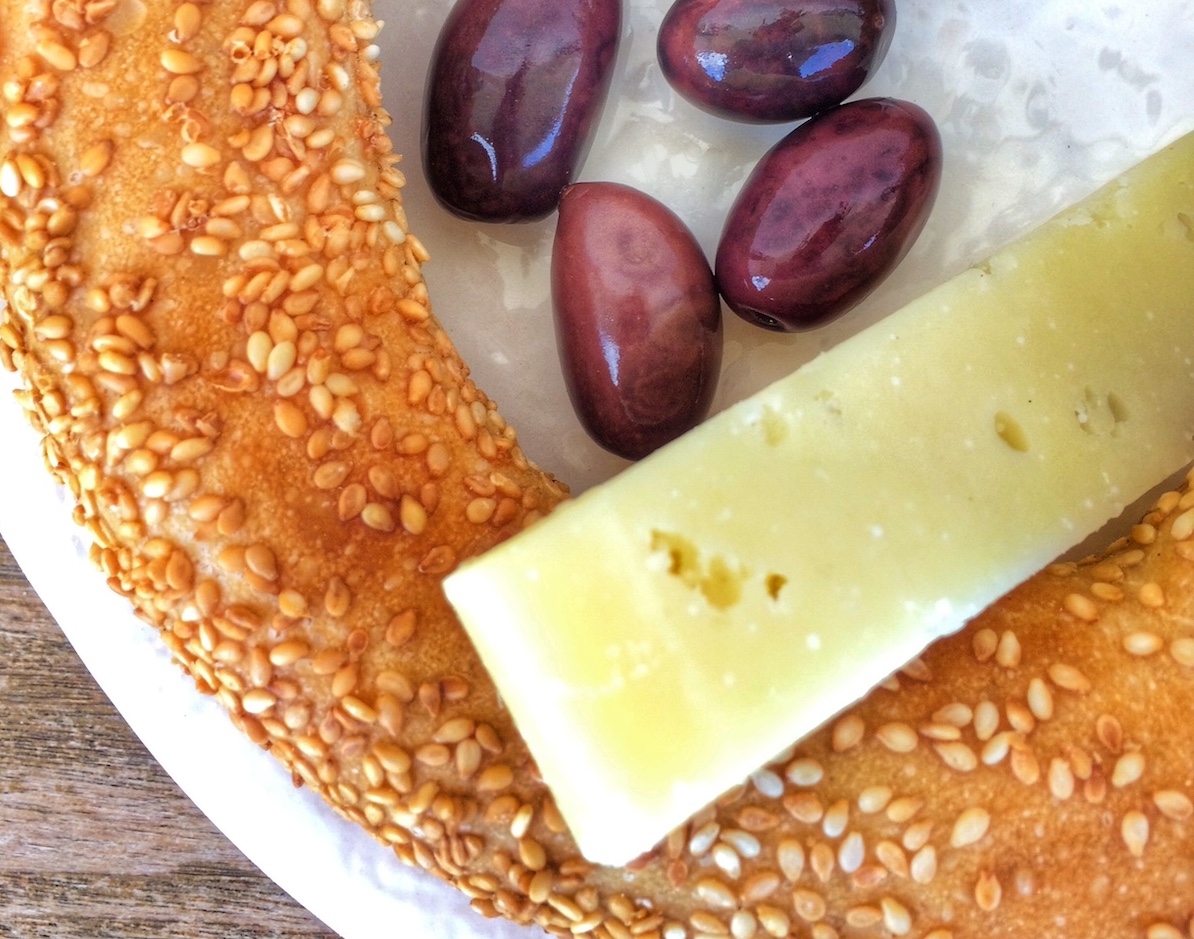
Today, snacking is often seen as essential to maintaining energy and controlling hunger. In traditional Mediterranean cultures, the concept of snacks did not exist in the way we think about it today. They did not snack as frequently as we do, people typically ate three main meals a day, with occasional small bites like fruit, nuts, olives or bread.
Current research suggests that frequent snacking is not inherently necessary for weight management. What matters more is overall diet quality, portion control, and nutrient density rather than eating every few hours. That said, incorporating occasional, nutrient-rich snacks can complement the Mediterranean diet, especially for individuals with higher energy needs or long gaps between meals. Mediterranean snacks rely on natural, minimally processed ingredients, rich in fiber, healthy fats, and plant-based nutrients.
In this guide, I will share several ideas for Mediterranean snacks, organized by time of day, including research-backed explanations of their health benefits and practical tips for incorporating them into your lifestyle.
Principles of Mediterranean Snacking
- Whole Foods First: Stay away from processed foods that categorize themselves as healthy snacks. Anything in package is not in any way Mediterranean. Focus on fresh fruits, vegetables, nuts, seeds, and minimally processed dairy products.
- Include Healthy Fats: Fat is needed for satiety. Extra virgin olive oil, nuts, and seeds help maintain fullness and support heart health.
- Keep it small: Traditional Mediterranean snacking emphasizes small but nutrient-dense portions.
Mid-Morning Snacks
Morning snacks are ideal for maintaining energy between breakfast and lunch, particularly if there are long gaps between your meals.
- Greek Yogurt with Honey and Walnuts: Combines probiotics, protein, and healthy fats. Yogurt improves gut health, while walnuts provide omega-3 fatty acids.
- Fresh Fruit with Almonds: Provides fiber, vitamins, and polyphenols. Almonds contribute satiety and heart-healthy fats.
- Whole Grain Toast with Tomato and Olive Oil: Rich in complex carbohydrates and monounsaturated fats for long-lasting energy.
- Handful of dried fruit such as figs, dates, raisins with nuts. Easy to take with you and provides satiety due to the fiber and protein.
Afternoon Snacks
Afternoon snacks are great for preventing energy slumps and help you focus
- Hummus or other bean dip with Carrot Sticks or Cucumber Slices: Legumes provide protein and fiber; vegetables add micronutrients and antioxidants.
- Olives, Cherry Tomatoes, a bit of cheese: Olives offer monounsaturated fats; tomatoes are rich in lycopene and vitamin C, and cheese provides some protein
- Apple and tahini: Apples provide fiber and carbohydrates, while tahini is a great source of good fats and[ protein. High in protein and fiber, making them ideal for satiety and blood sugar stabilization.
Research-Backed Benefits of Mediterranean Snacks
- Cardiovascular Support: Nuts, olive oil, and legumes reduce LDL cholesterol and inflammation.
- Digestive Health: Fiber-rich fruits, vegetables, and legumes support gut microbiota and regular bowel movements.
- Blood Sugar Regulation: Protein, fiber and healthy fats in snacks stabilize glucose levels, reducing risk for type 2 diabetes.
- Weight Management: Occasional snacks provide energy when needed without implying constant mini meals.
Practical Tips for Incorporating Mediterranean Snacks
- Plan Ahead: Prepare snacks with vegetables, nuts, or fruit for easy grab-and-go options.
- Seasonal Variety: Rotate seasonal fruits and vegetables to maximize nutrients and flavor.
- Portion Control: Use small bowls or plates to maintain small portion sizes.
In the traditional Mediterranean diet sand lifestyle, snacking was occasional and based on real hunger rather than the clock. You can adapt this concept to your lifestyle by including snacks when your body truly needs energy, focusing on simple, unprocessed foods.
Photos by Elena Paravantes All Rights Reserved
This is such a practical list! I love that you emphasize real food over packaged ‘diet’ snacks. The tahini & apple combo is a new one for me—can’t wait to try it.”
Figuring what snacks are healthy has often had me stumped. Some I’ve been able to figure out on my own but, you provide me with food items that I already love. Thanks.
Is there any benefit to tahini vs minimally processed, unsweetened peanut butter (or other nut butter) or is it just a taste preference?
Since committing to the Mediterranean diet/lifestyle, I’ve noticed a significant decrease in the need for snacks. This is a great list of snack options I will keep handy on those rare occasions now when I feel a bit hungry between meals or when there is a longer span of time between meals. Thank YOU, Elena!!