
5 Mediterranean Diet Foods I Can’t Live Without

The key to a balanced and healthy diet isn’t about giving up foods you love, but more about eating more of the foods that have always been part of Mediterranean life?
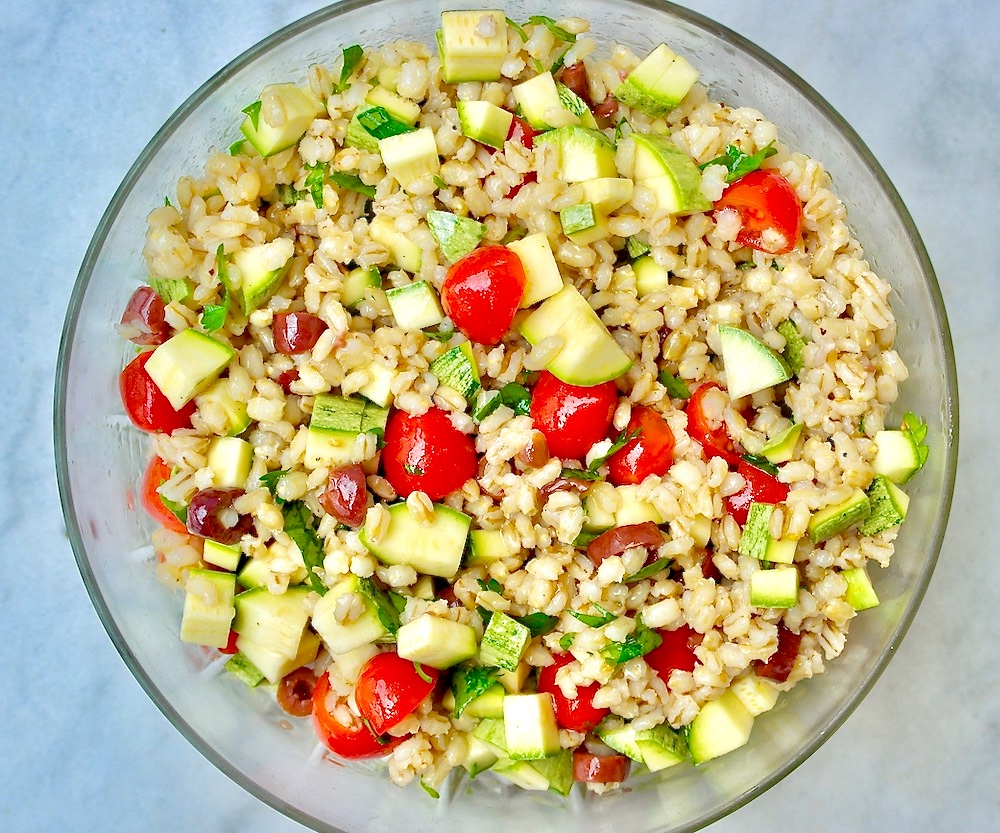
I was raised on the Mediterranean diet, and as a registered dietitian, author, and wellness expert, I’ve spent more than 25 years studying, practicing, and sharing this approach to food and living.
For me, the Mediterranean diet has never been about restriction, rigid rules, or chasing the latest wellness trend. It’s about delicious, simple ingredients, and the pleasure of sitting down to a meal. It’s a way of eating and a way of living, that can be both healthy and genuinely enjoyable.
So if you opened my refrigerator and pantry, what would you find?
Here are five Mediterranean diet foods I can’t live without, foods that have been part of the authentic Mediterranean diet for generations and remain staples in my own kitchen today.
1. Whole Grains
Whole grains have always had a place in Mediterranean kitchens. Depending on where you are in the Mediterranean, you might find barley, bulgur, farro, whole-grain bread, or other traditional grains on the table. Unlike refined grains, whole grains retain the bran, germ, and endosperm, providing fiber, vitamins and minerals. They accompany the numerous vegetable based dishes providing additional satiety.
Combine with vegetables, legumes, herbs, olive oil, and other whole foods to create simple, satisfying meals.
2. Oregano
If you grew up in a Greek household, you probably know that oregano isn’t just a garnish. We use it generously and often. Dried Greek oregano is particularly aromatic and can transform something as simple as tomatoes, potatoes, beans, fish, or roasted vegetables. Fresh oregano has its place, too, but dried oregano is a true Mediterranean kitchen staple.
Oregano also contains antioxidant compounds. But one of my favorite things about herbs such as oregano is that they make everyday food taste wonderful without requiring complicated sauces or lots of added ingredients.
3. Greek Yogurt
Greek yogurt has become popular around the world, but in Greece, yogurt has long been an everyday food, not a “high-protein health food.” It’s thick and creamy and is typically enjoyed on its own or with honey, fruit and ofcourse is the main ingredient for our favorite tzatziki (creamy garlic dip).
Greek yogurt provides protein and calcium, and yogurt with live cultures and provides beneficial bacteria.
4. Extra Virgin Olive Oil
This one isn’t even a question.
Extra virgin olive oil is the foundation of traditional Mediterranean cooking. In Greece, we use it generously, we cook with it, add it salads, bread, greens even in desserts. In fact, Greeks are highest consumers of olive oil per person in the world.
Extra virgin olive oil is rich in monounsaturated fat and most importantly contains powerful antioxidant compounds, including polyphenols. It is also one of the defining foods of the traditional Mediterranean dietary pattern, meaning there is no such thing as a Mediterranean diet that is low fat or doesn’t include generous amounts of olive oil. And what I love most about it is that olive makes all foods pleasurable even some those “difficult” vegetables.
5. Vegetables
Of course, vegetables have to make the list. Tomatoes, zucchini, eggplant, peppers, greens, onions, cauliflower, broccoli and countless other seasonal vegetables are central to Mediterranean cooking. And we don’t need to make them complicated. They might be roasted with olive oil and oregano, cooked slowly into a tomato-based dish, stuffed with rice and herbs. Vegetables provide fiber, vitamins, minerals, and a wide range of beneficial plant compounds. But traditional Mediterranean cooking does something else, it makes vegetables delicious.
More Than a Diet
These five foods are important, but the Mediterranean diet isn’t about any single ingredient. It is about the pattern—and the lifestyle that surrounds it.
You enjoying real food, cook with simple ingredients, eat seasonally, shar meals, and find pleasure in the everyday rituals.
That is real wellness.
