
The Colorful Foods You Should Pay Attention To. What New Research Shows.

You have heard for years to “eat the rainbow”, but have you ever wondered why? There is a very specific reason colorful fruits and vegetables keep showing up in healthy eating advice, and that is the beneficial anthocyanins.
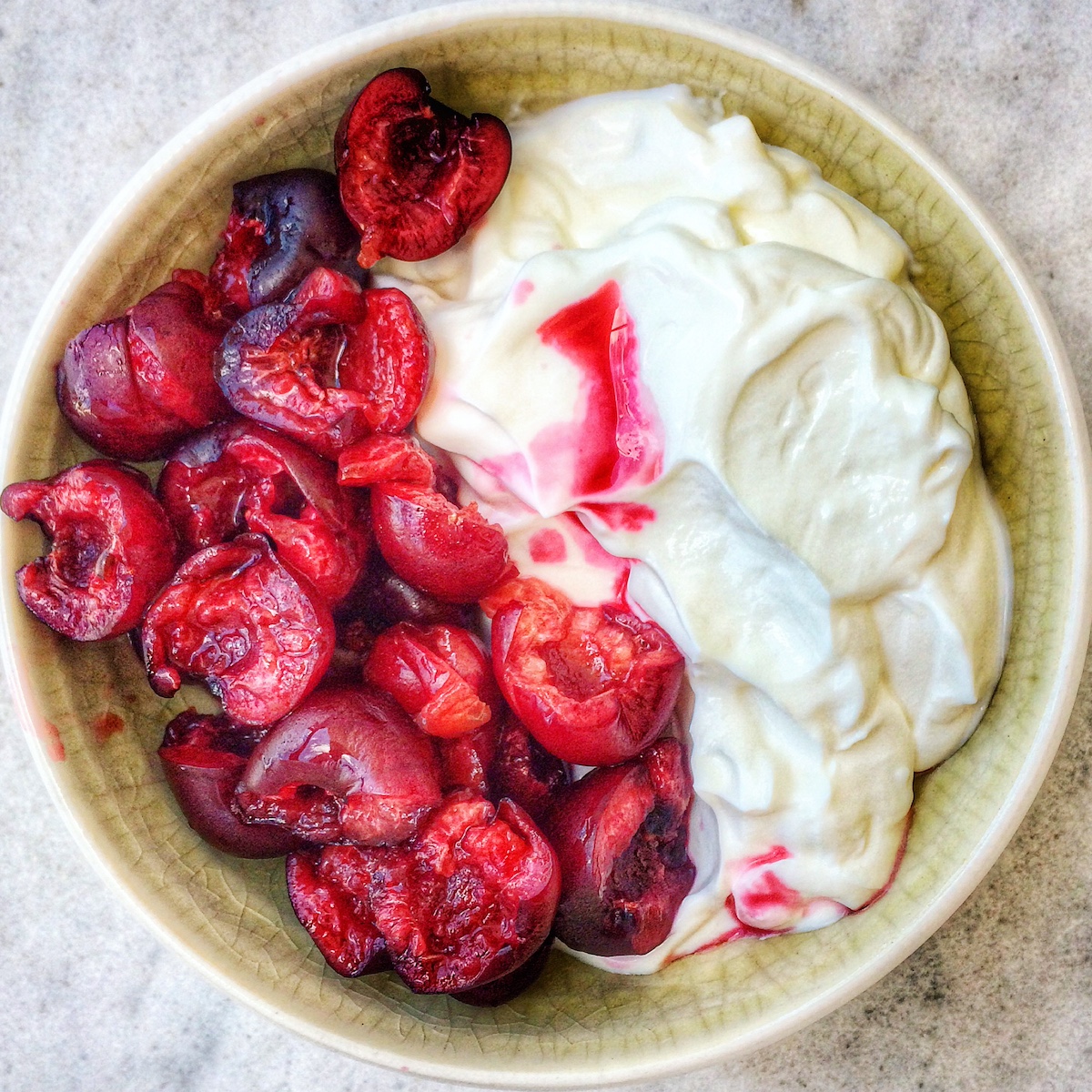
What Exactly are Anthocyanins?
The word anthocyanin comes from the Greek words (as Mr Portokalis would say in my Big Fat Greek Wedding): ánthos (which meanσ flower) and kyános (which describes a greenish-blue color). So basically colors in plants.
Anthocyanins are naturally occurring plant compounds that give many fruits and vegetables their red, blue and purple colors. They are a type of polyphenol that has been studied for their antioxidant and anti-inflammatory properties.
A new review published in The American Journal of Clinical Nutrition found that people with higher anthocyanin intake had a 26% lower incidence of cardiovascular disease, 18% lower risk of heart attack, 11% lower risk of type 2 diabetes, 9% lower cardiovascular disease mortality, and 8% lower risk of high blood pressure. That’s impressive!
The researchers also found that consuming anthocyanins improved blood vessel function, with intakes as low as 50 mg a day.
Where do we find them anthocyanins? And how much do you need to eat to get 50 mg?
Foods Rich in Anthocyanins
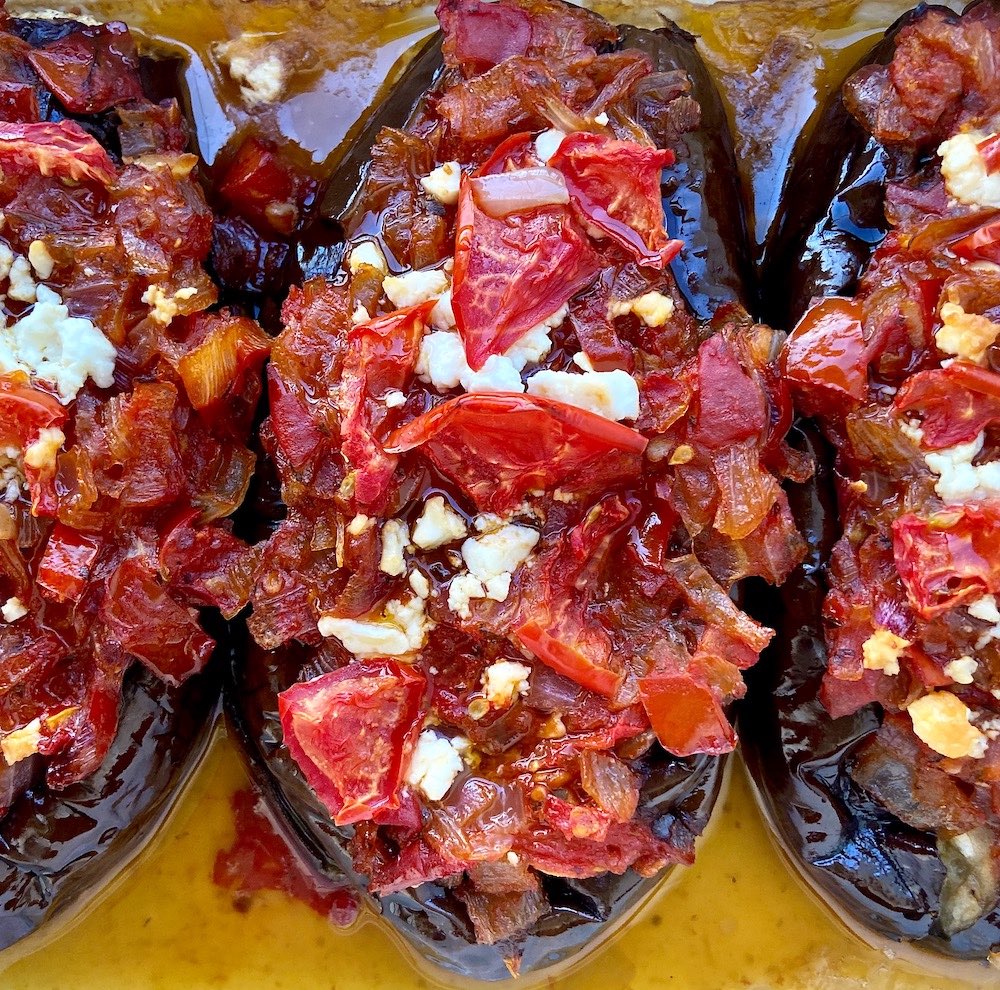
You’ll find anthocyanins naturally in many colorful plant foods (but not all), including:
- Red-skinned apples
- Grapes (red and black)
- Cherries (sweet and sour)
- Plums
- Pomegranates
- Berries (raspberries, strawberries, blueberries and blackberries)
- Red-skinned apples
- Red cabbage
- Red onions
- Purple eggplant
What does 50 mg of anthocyanins look like?
There is a range, some foods are higher and some lower, but generally a half cup will provide that amount.
And I want to add that this is one reason the traditional Mediterranean diet is naturally rich in a wide range of plant compounds. Because they eat different fruit and vegetables based on the seasons. For example eggplant is consumed in abundance in the summer all through September, but not in the winter, or apples are very much consumed in the winter months. So don’t focus only on eating fruit and vegetables, but on eating many different vegetables and fruits, according to the season.
Easy Ways to Get More Anthocyanins
Try adding them in simple ways:
- Breakfast: blueberries, strawberries or blackberries, chopped apple with yogurt
- Fruit: cherries, plums, grapes or pomegranate as a snack or dessert
- Salads: pomegranate seeds, grapes, red cabbage or red onion
Try These Anthocyanin-Rich Mediterranean Recipes
You can also get these foods through traditional Mediterranean dishes, such as:
Sources:
- Dietary intakes of anthocyanins and cardiometabolic health: a systematic review and meta-analysis of randomized trials and prospective cohort studies in healthy participants.
- A comprehensive review on anthocyanin-rich foods: Insights into extraction, medicinal potential, and sustainable applications.
