
The Real Mediterranean Diet Can Help You Live Longer and Healthier

Can the Real Mediterranean diet help you live longer? I explore how food, movement, social connection, and rest can reduce chronic disease risk and support a longer, healthier life.
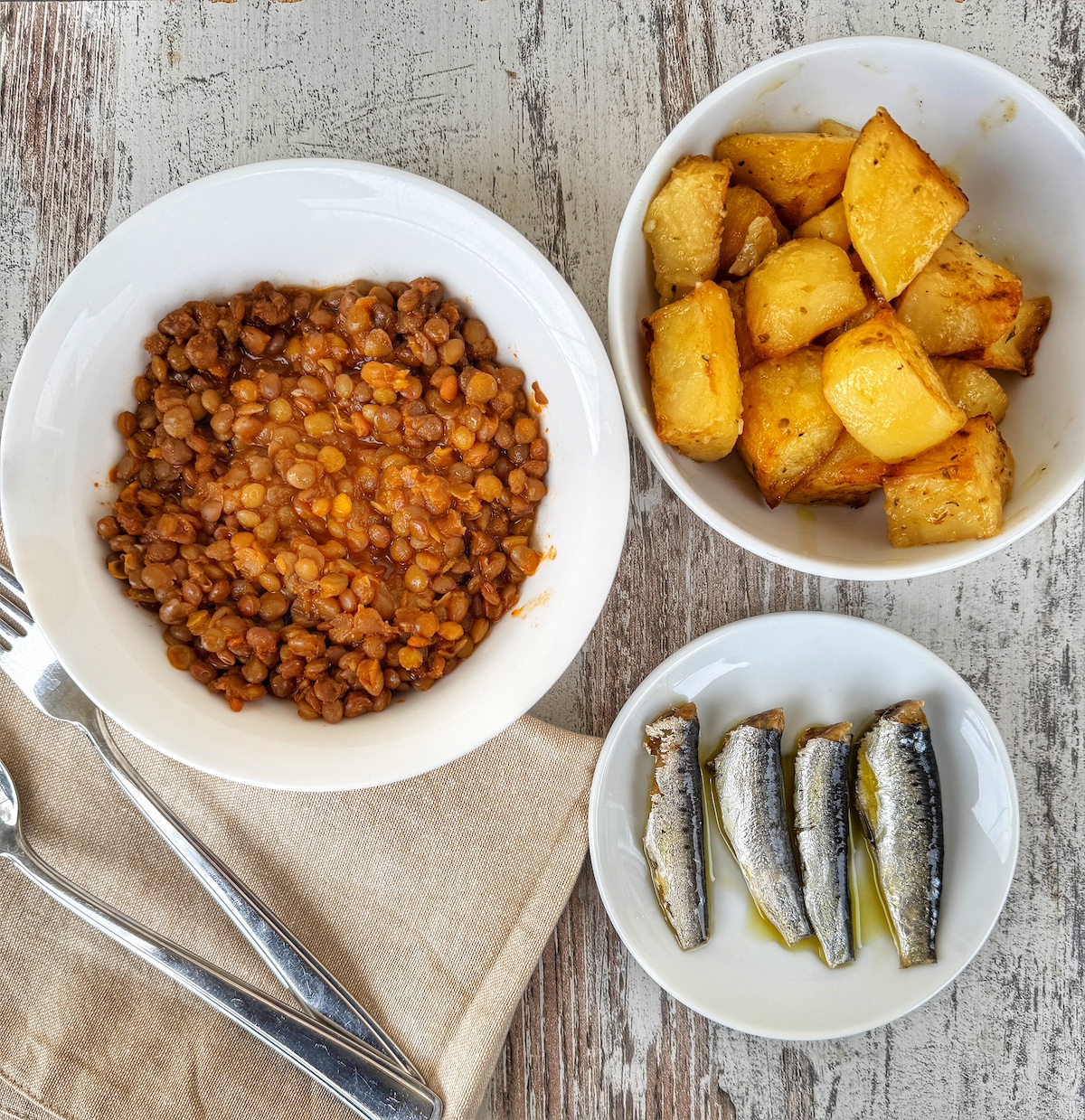
The Mediterranean diet is one of the most researched diets in the world and for good reason. From reducing the risk of chronic disease to protecting against dementia, the evidence is hard to ignore. But longevity in Mediterranean communities isn’t just about what’s on the plate. It’s also about how people move, rest, and connect with one another. Here’s what the research tells us, and how you can apply it to your own life.
The Mediterranean Diet and Its Powerful Role in Longevity
We know from research that plant-heavy diets have been associated with a lower risk of chronic diseases. The authentic Mediterranean diet, for example, is primarily plant-based. If we look at the traditional Mediterranean diet, we see that vegetable dishes often serve as main courses. Almost all the ingredients in this diet are rich in antioxidants, which protect the body from chronic diseases. Foods such as greens, herbs, fruits, vegetables, fatty fish, and olive oil are all rich in antioxidants and protective substances. Extensive research shows that the Mediterranean diet can also protect against other diseases associated with aging, such as dementia and memory loss. It is also linked to less frailty in the elderly, promoting not just longevity, but a healthier, longer life.
Why Social Connections Are Key to a Longer Life
Social connections are something we see in many Mediterranean communities that are associated with longevity. People in these areas not only have close relationships with their family, but also with their community, which helps them feel connected. We know that connection is associated with well-being. People in these communities often maintain social ties by going to church or being part of a group with a specific goal. There are also what we call “third places” areas within the community where people socialize. For some communities, this could be the church; for others, it might be the local coffee shop or the market.
How Everyday Movement Supports Long-Term Health
We know that exercise is important in general; it helps maintain a healthy weight, keeps the heart strong, improves mood, and is associated with fewer symptoms of depression. In addition, it helps maintain mobility, which is important as we grow older for self-efficacy, social interaction, and feeling productive and connected to the community. In Mediterranean communities where longevity is common, informal physical activity is present, this involves activities like gardening, cooking, cleaning the house, and walking to go shopping or run errands on a daily basis.
Mediterranean Diet Tips: 4 Small Changes That Can Help You Live Longer
- Reduce meat intake. Try to aim for at least two meat-free days a week, with a vegetable dish as the main course. This is one of the simplest ways to shift toward a more Mediterranean way of eating and increase your intake of protective, plant-based foods.
- Increase herbal teas. Research shows that herbal teas, especially those consumed in areas like Ikaria, are associated with higher life expectancy because they are rich in antioxidants. Swapping one of your daily drinks for an herbal tea is an easy way to add a protective beverage to your routine.
- Move more naturally. Not only focus on formal exercise, but also increase physical activity in other more natural ways: walking instead of driving, adding short walks after meals, counting housework as physical activity. In Mediterranean communities, this kind of everyday movement is simply part of life.
- Rest and recover. In some Mediterranean communities, people take naps this is known as a siesta, for example in Spain. Rest is an important and often overlooked part of managing stress and supporting long-term health. If taking a nap isn’t possible, aim for at least 15 minutes of quiet time two to three times a week and consider incorporating naps on the weekends.

Hello Elena
it warms my heart to think of you as a familiar stranger … you share your knowledge and wisdom with such ease … intangible persuasion and reminders of what we know that we already knew, but somehow let slip.
many thanks for your publications
I’m lucky I’m able to source Greek mountain tea in my country. It’s still on the stems and I use the whole thing, stem and flower bud end. It has become an afternoon tradition for me. It’s my quiet time as I can’t nap during the day. Thank you for this article Elena.
Any specific herbal tea recommendations?