
5 Nutrition Trends to Watch in 2027: What I Saw at the World’s Largest Food and Nutrition Conference

Discover 5 emerging nutrition trends for 2027, from food as medicine and functional foods to protein innovation and changing food industry priorities, based on insights from FNCE, the world’s largest food and nutrition conference.

Every year, I attend FNCE (Food & Nutrition Conference & Expo), the annual conference organized by the Academy of Nutrition and Dietetics, the leading professional organization representing registered dietitians in the United States. I’ve been attending for almost 20 + years.
The conference brings together thousands of registered dietitians and other health professionals. For me, it is an opportunity not only to learn about the latest developments in nutrition and food, but also to see what my colleagues are discussing, what the food industry is focusing on, and where the nutrition conversation is heading (and of course to see all my dietitian friends from around the world).
FNCE has two main components: the educational sessions and the Expo, where food companies, healthcare organizations, and other businesses showcase their products and services.
Looking at both, I noted several themes that stood out this year. Some reflect developments in nutrition and healthcare, while others show how the food industry is responding to changing consumer needs and trends.
Here are five nutrition trends I expect to see more of in the coming year.
5 Nutrition Trends to Watch in 2027
1. Protein: Still Everywhere, but for Different Reasons
Protein is not going anywhere. But what has changed is how and why it is being promoted. In previous years, we saw protein added to all kinds of products, largely in response to the popularity of keto and Paleo-style diets. Before that, protein promotion was primarily associated with sports nutrition and muscle building. Today protein is marketed for healthy aging, maintaining muscle mass, weight management, appetite control, and particularly women’s health during perimenopause and menopause.
We are also seeing the rise of what is often called “protein maxing,” with influencers promoting very high daily protein intakes. The popularity of GLP-1 medications are also playing a role in the continued interest in protein, as maintaining adequate protein (and caloric) intake becomes an important issue when people are eating less.
But how much protein do we actually need?
For most healthy adults, current recommendations are less than what is being promoted. While requirements may be higher for certain populations, including older adults, the increasingly popular recommendations of very high intakes can amount to two or even three times the basic recommended allowance. This was also reflected in the educational program. One session was specifically titled “Protein Intake in Practice: Current Evidence, Food Applications, and Risk of Overconsumption.”
I found this particularly interesting. There is certainly a place for protein in a healthy diet, and adequate intake is important, especially as we age. But more is not automatically better.
2. Gut Health and Fiber
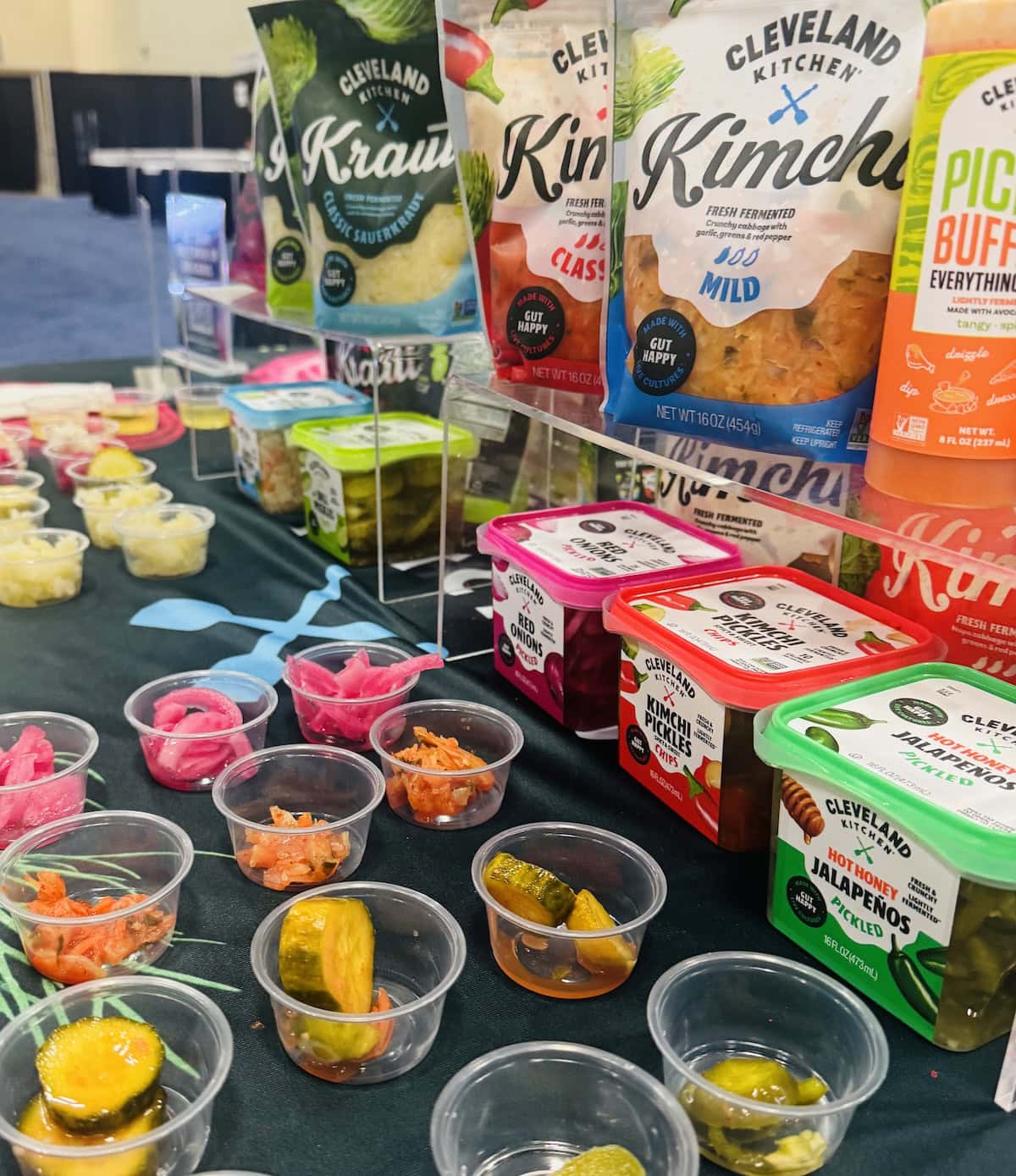
Gut health has been on the FNCE agenda for years, but this year I noticed its presence across a particularly wide range of food products. At the Expo, there were plenty of products featuring probiotics, prebiotics, and added fiber, as well as foods that naturally contain beneficial microorganisms. Kefir was particularly noticeable, alongside yogurt, fermented vegetables, and probiotic beverages. Fiber was another major focus, with companies highlighting both naturally fiber-rich foods and products with added fiber.
What I found interesting was the range of ways companies are approaching gut health. It is no longer limited to probiotic supplements. We are seeing it incorporated into everyday foods and beverages, from fermented dairy products to sodas, snacks, and other functional foods.
I think the increased attention to gut health is positive, particularly when it encourages people to eat more fiber and a greater variety of plant foods. However, there is also a lot of marketing around gut health, and not every product that carries a probiotic or prebiotic claim necessarily offers a meaningful health benefit.
3. Convenience 2.0: More Personalized Meal Delivery
Convenience has always been important in food, but meal delivery is evolving beyond simply having dinner delivered to your door.
Consumers are looking for ready-to-eat meals that also accommodate their individual dietary needs, preferences, and health goals.
At the Expo, I saw several companies taking different approaches to this.
- CookUnity, for example, offers prepared meals created by a network of chefs (including celebrity chefs), emphasizing restaurant-style dishes and variety.
- Factor focuses on ready-to-eat meals, with options marketed around different dietary preferences and goals, including high-protein, calorie-controlled, keto, and vegetarian meals.
- ModifyHealth takes a more medically oriented approach, offering meals designed for specific dietary needs, including low-FODMAP and Mediterranean-style options.
This was also reflected in the educational sessions, which included discussions about medically tailored meals, partnerships between dietitians and food banks, and the role of culinary medicine.
The idea now is that convenience is no longer enough. Consumers want and need meals that are convenient, but that are appropriate for their health needs and lifestyles.
4. Food as Medicine: Nutrition Becoming Part of Healthcare (finally!)
Food as medicine was one of the most prominent themes at this year’s conference.
For registered dietitians, the idea itself is hardly new. We have long understood the role of nutrition in preventing and managing disease. What is changing is the growing recognition of food and nutrition as a more formal component of healthcare. There were multiple sessions discussing how nutrition can be integrated into healthcare settings, including the use of produce prescriptions, medically tailored meals, and partnerships between healthcare providers and community organizations. There was also considerable attention given to culinary medicine, which uses food and cooking education as part of healthcare interventions.
Another important aspect was food insecurity and how healthcare systems can address it through practical nutrition support. I find this development particularly interesting because now we are not telling people what they should eat, we can actually help people access and prepare the foods we are recommending.
In many ways, this is a recognition of something dietitians have been advocating for decades: nutrition should not be treated as an afterthought in healthcare. It should be part of the way we prevent, manage, and treat disease.
5. Women’s Health and Healthy Aging
Women’s health was another important focus, with several sessions addressing topics such as menopause, reproductive health, brain health, longevity, and metabolic health. Women’s health, particularly during midlife and menopause, has received relatively little attention in mainstream nutrition discussions until now. There is now growing interest in understanding how hormonal changes can affect metabolism, body composition, muscle mass, bone health, and overall health. This trend connects directly with the increased emphasis on protein, particularly for women in perimenopause and menopause, when maintaining muscle mass and supporting healthy aging become the main focus.
12 Interesting Food Products and Brands I Noticed at the Expo
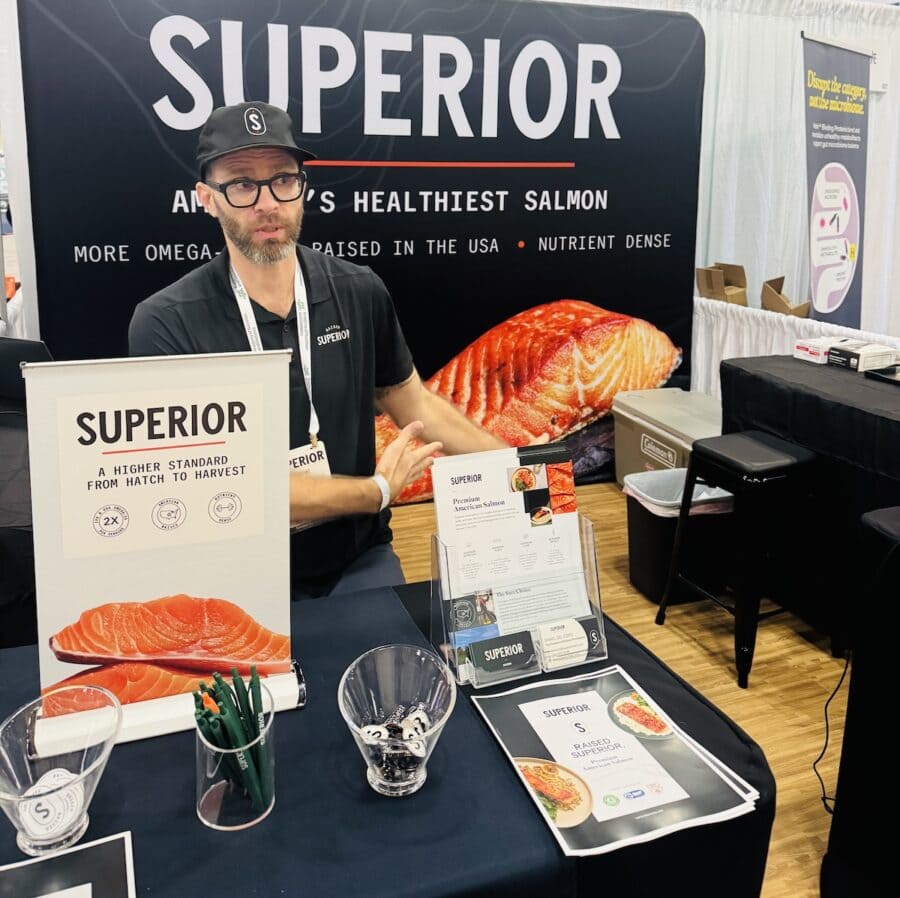
Superior Fresh (Superior Salmon): American-raised Atlantic salmon produced in land-based aquaculture facilities in Wisconsin and Indiana. The company uses recirculating aquaculture systems that filter and recycle water and highlights its sustainable farming practices and omega-3 content.
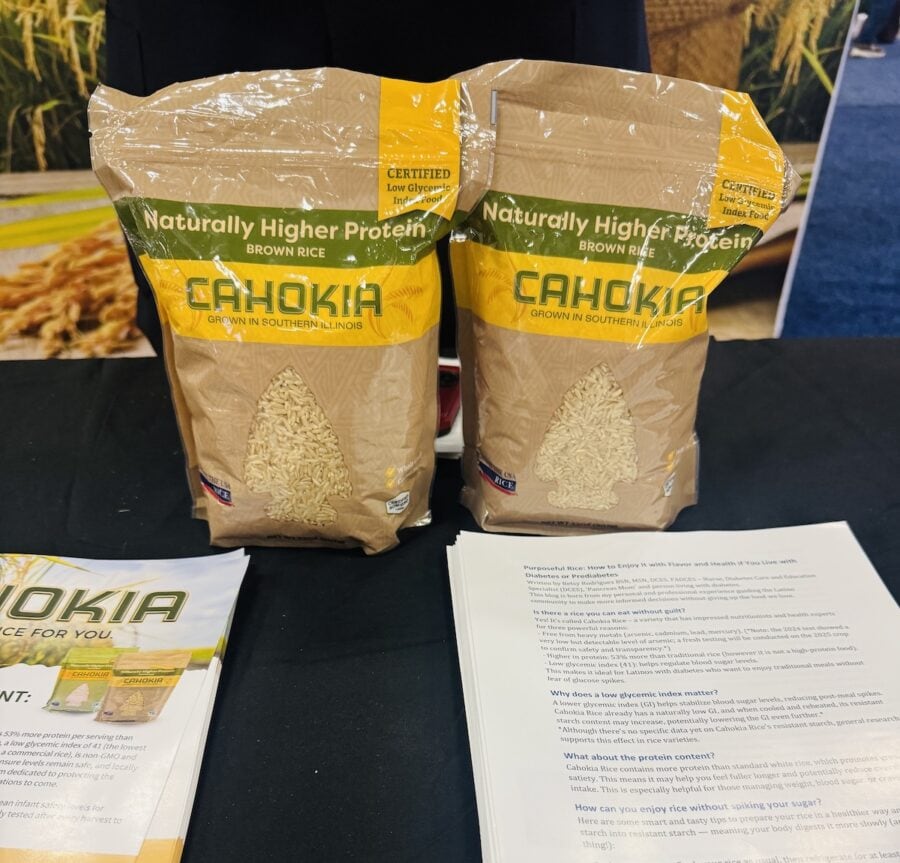
Cahokia Rice: Rice grown on a fourth-generation family farm in southern Illinois. The company reports 53% more protein than conventional rice, as well as relatively low glycemic index values for its white and brown rice varieties.
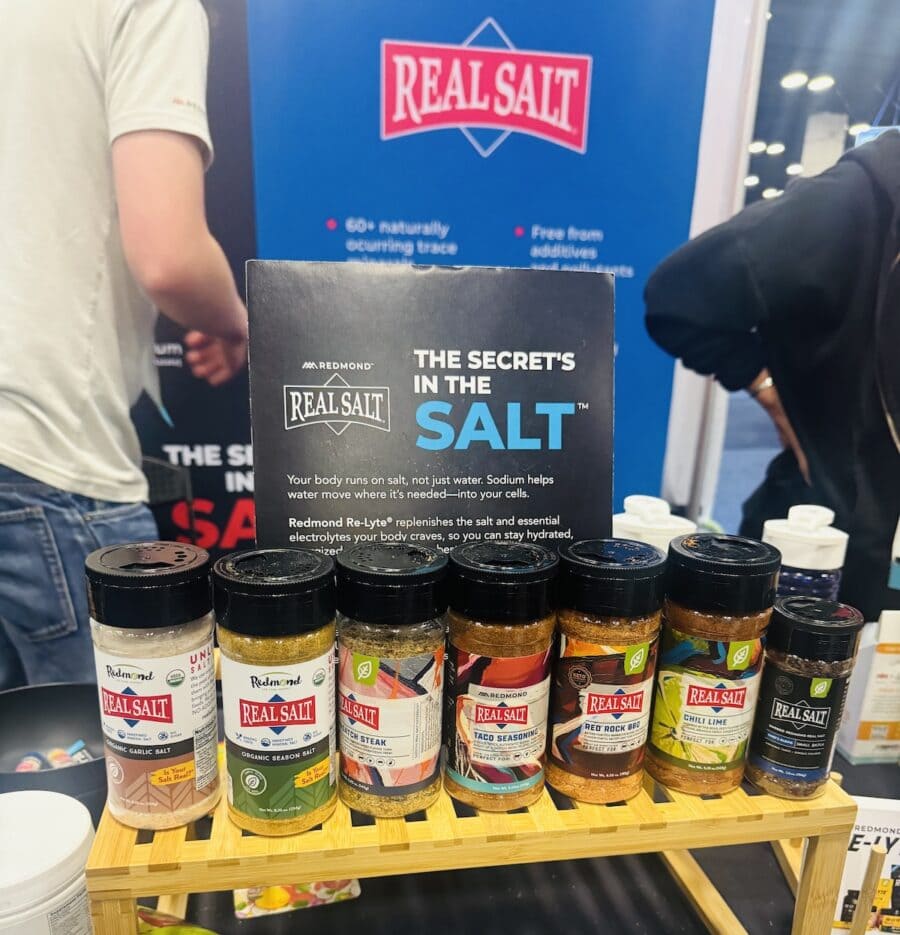
Redmond Real Salt: Unrefined salt mined from an ancient seabed in central Utah. It contains naturally occurring trace minerals and has no added anti-caking agents or iodine. The company has been producing it since 1958.
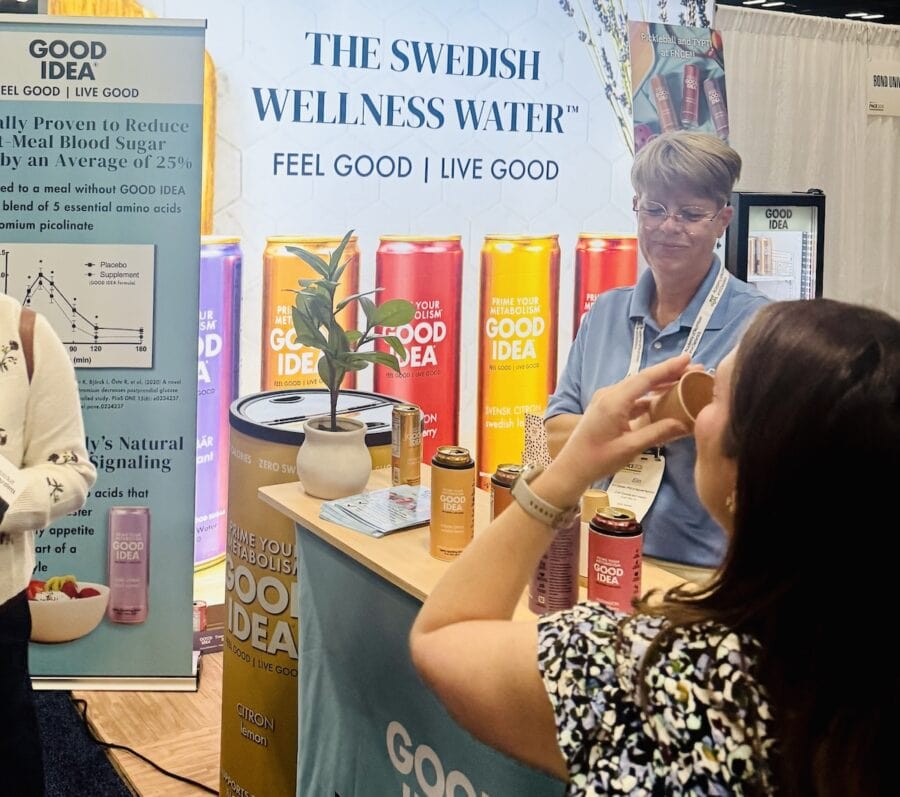

Good Idea-The Swedish Wellness Water: A Swedish-inspired functional sparkling water developed around metabolic health. It contains a patented blend of five amino acids and chromium picolinate, designed to help reduce post-meal blood sugar spikes. The company reports an average 25% reduction in post-meal blood glucose in clinical studies.
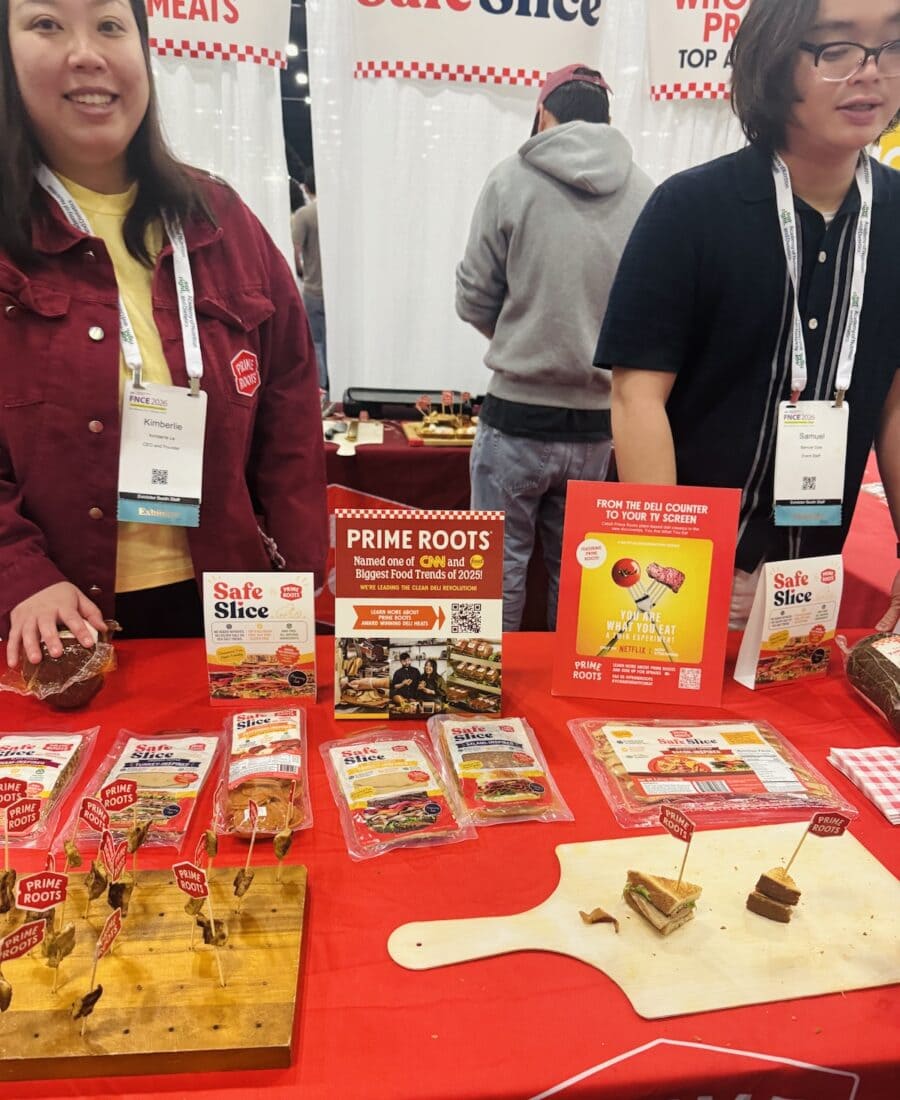
Prime Roots: A food company specializing in plant-based deli meats made from fungi-derived protein (mycelium). Using fermentation, it creates products with a meat-like taste and texture. Its products are free of the nine major food allergens and contain no added nitrates, nitrites, or preservatives.
Painterland Sisters: Organic Icelandic-style skyr yogurt made by two sisters whose family owns a fourth-generation organic dairy farm in Pennsylvania. It provides 16–21 grams of protein per serving, depending on the variety, is lactose-free, contains live BB-12 probiotic cultures, and is made with whole milk.
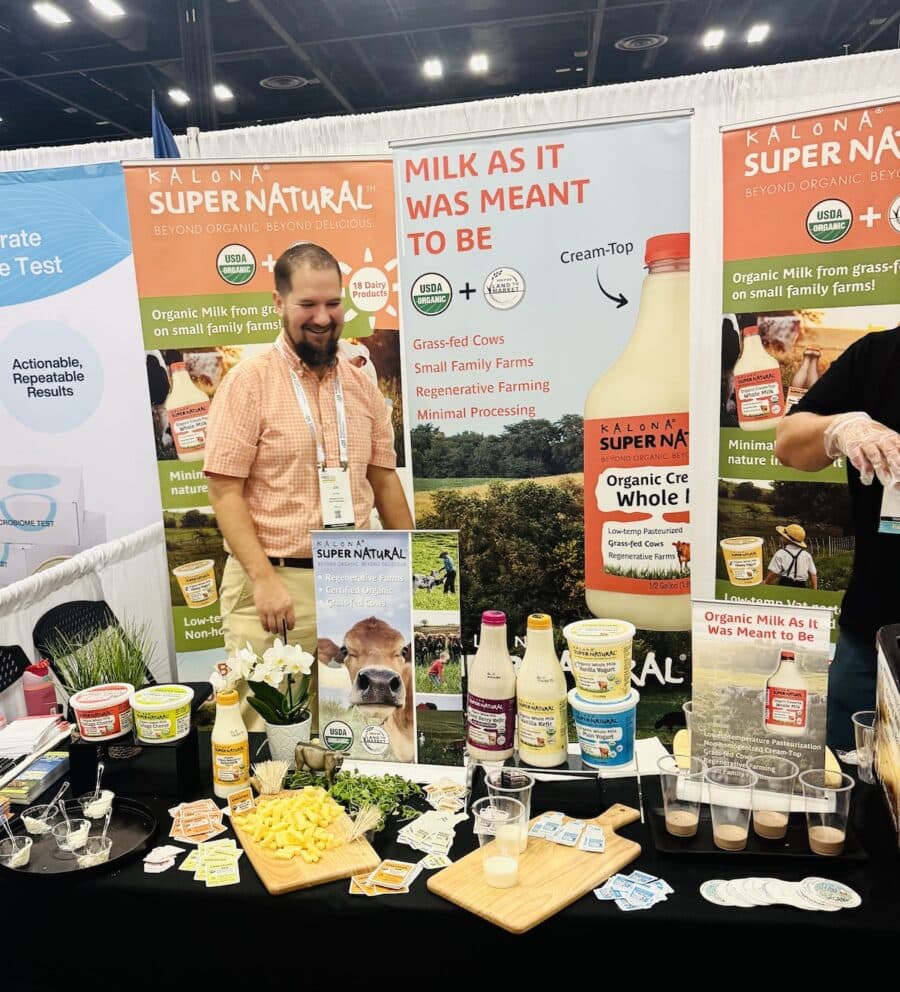
Kalona SuperNatural: Organic milk sourced from grass-fed cows on small family farms. It is low-temperature vat pasteurized and non-homogenized, retaining its natural cream layer.
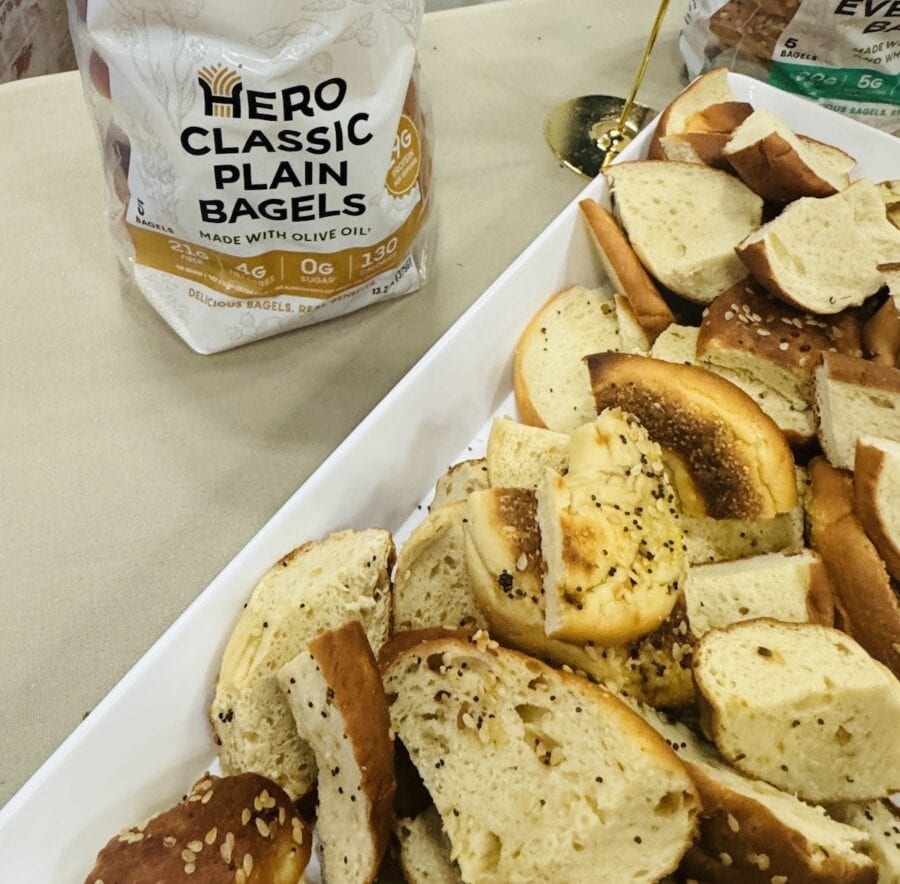
Hero Bread: A line of bread and baked goods formulated with more fiber and protein and fewer net carbohydrates than conventional alternatives. Ingredients include resistant wheat starch, wheat protein, fava bean protein, flaxseed, and olive oil.
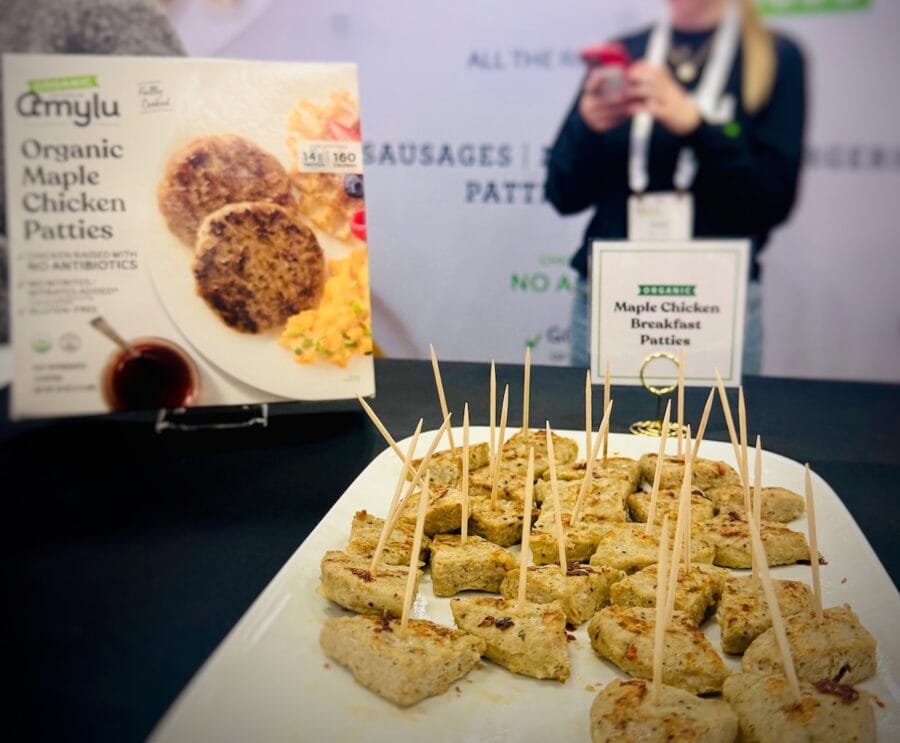
Amylu Foods: A Chicago-based food company offering more than 50 varieties of chicken sausages, burgers, and meatballs. Its products emphasize simple ingredients, antibiotic-free chicken, and no added nitrates or nitrites.
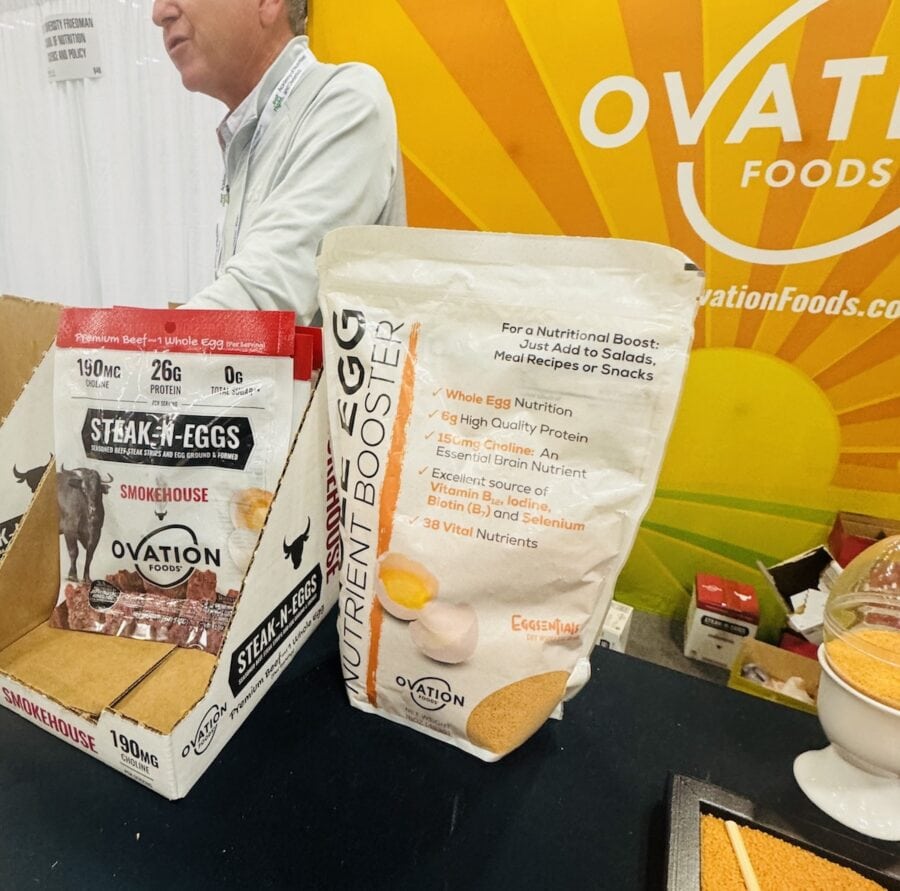
Steak-N-Eggs (Ovation Foods): A high-protein snack combining beef strips made from bottom-round beef with a whole egg. One serving provides approximately 28 grams of protein.
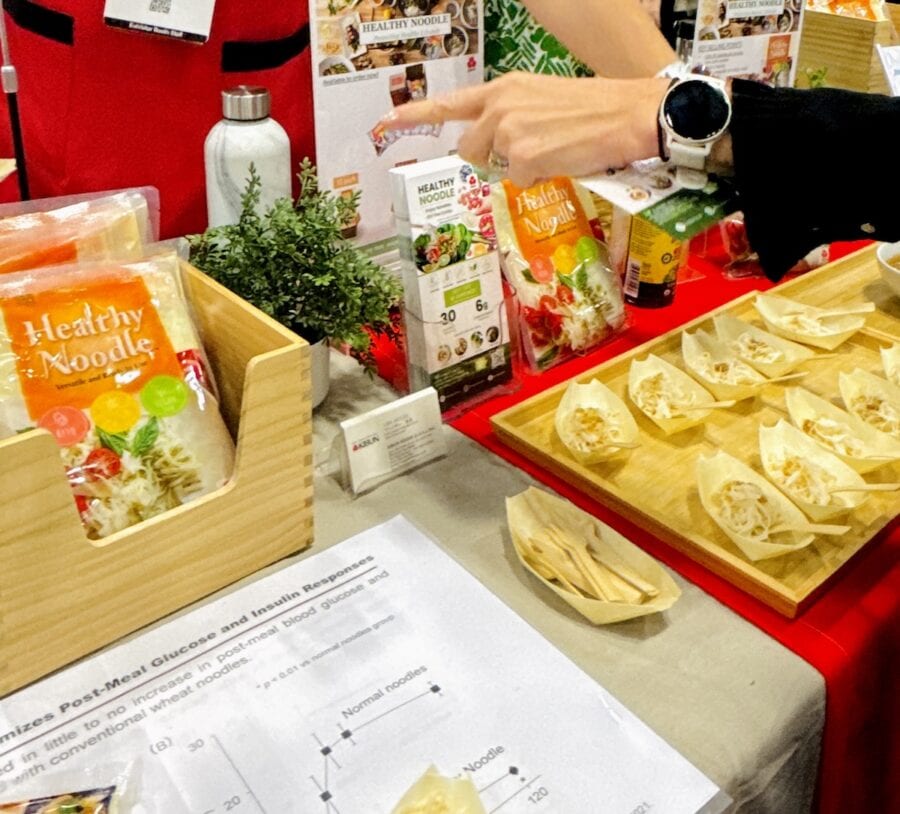
Kibun Foods – Healthy Noodle: Ready-to-eat noodles made with soybean fiber and konjac. They contain approximately 30 calories per serving and are gluten-free, dairy-free, and sugar-free. They come prepared and only need rinsing before use.
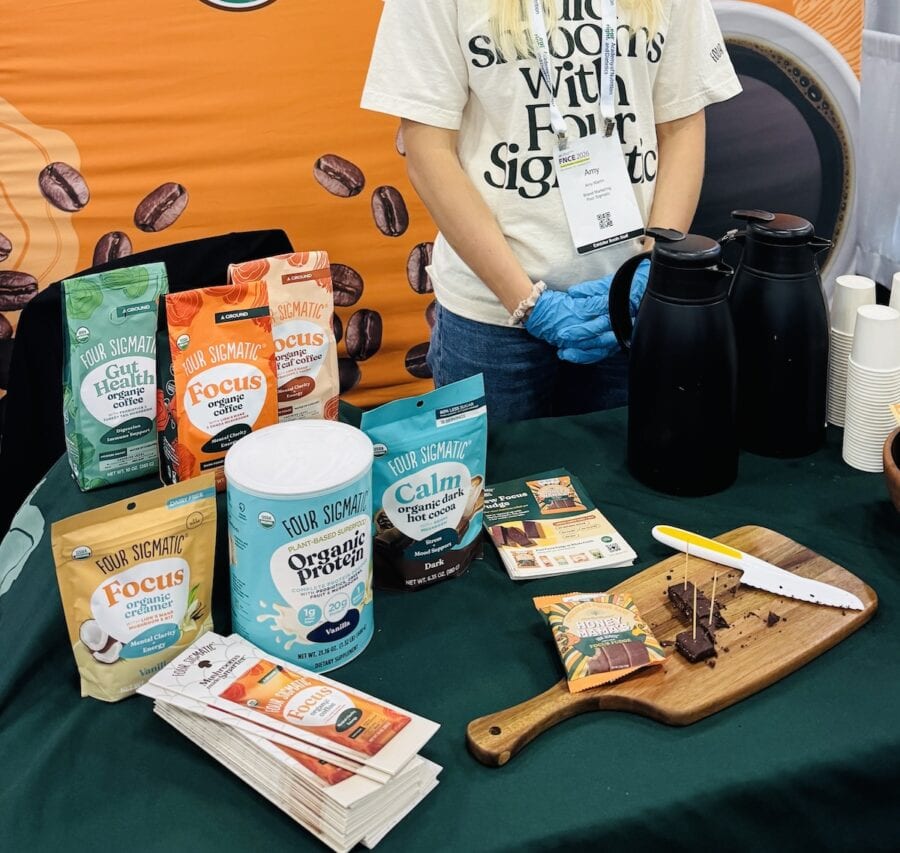
Four Sigmatic: A functional beverage company specializing in mushroom coffee. Its blends combine coffee with mushroom extracts such as lion’s mane, chaga, reishi, cordyceps, and turkey tail.
Photos by Elena Paravantes All Rights Reserved