
Are Olives Healthy? A Greek Nutritionist’s Guide to The Healthiest Olives.

As a nutritionist who grew up between Greece and the United States and spent summers in a small mountain village in the Peloponnese where my family has cultivated olive trees for four generations, I can tell you from both first-hand experience and professional training that they are one of the most healthiest foods you can eat. Here’s everything you need to know.
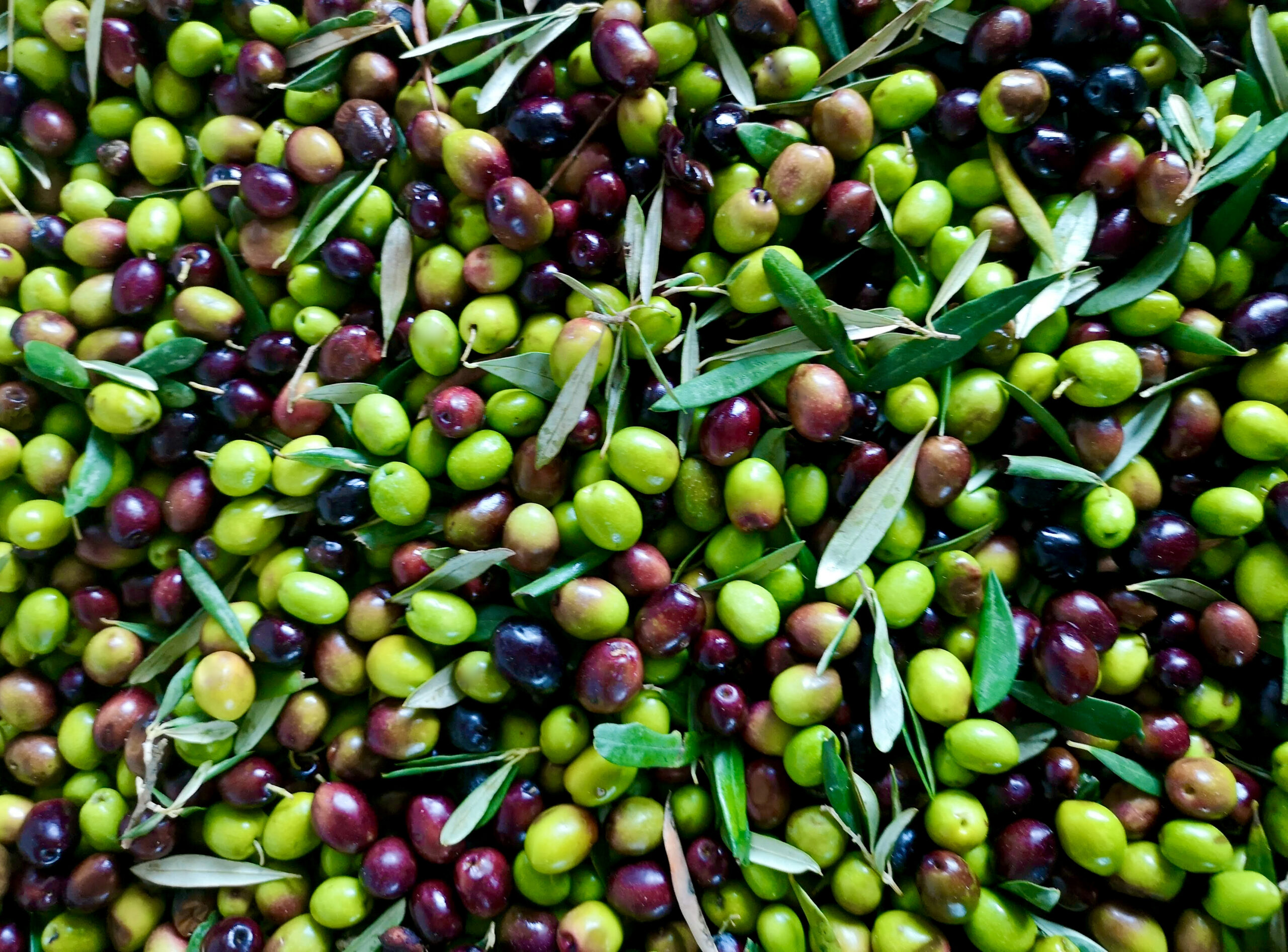
Why Olives Deserve More Credit Than They Get
I grew up spending summers in my father’s mountain village in the Peloponnese, where my family has farmed olive trees for four generations. Every November, the olives are harvested, while most are used for olive oil, many are saved for table olives. And every, had olives on the table.
 Picking olives at our grove
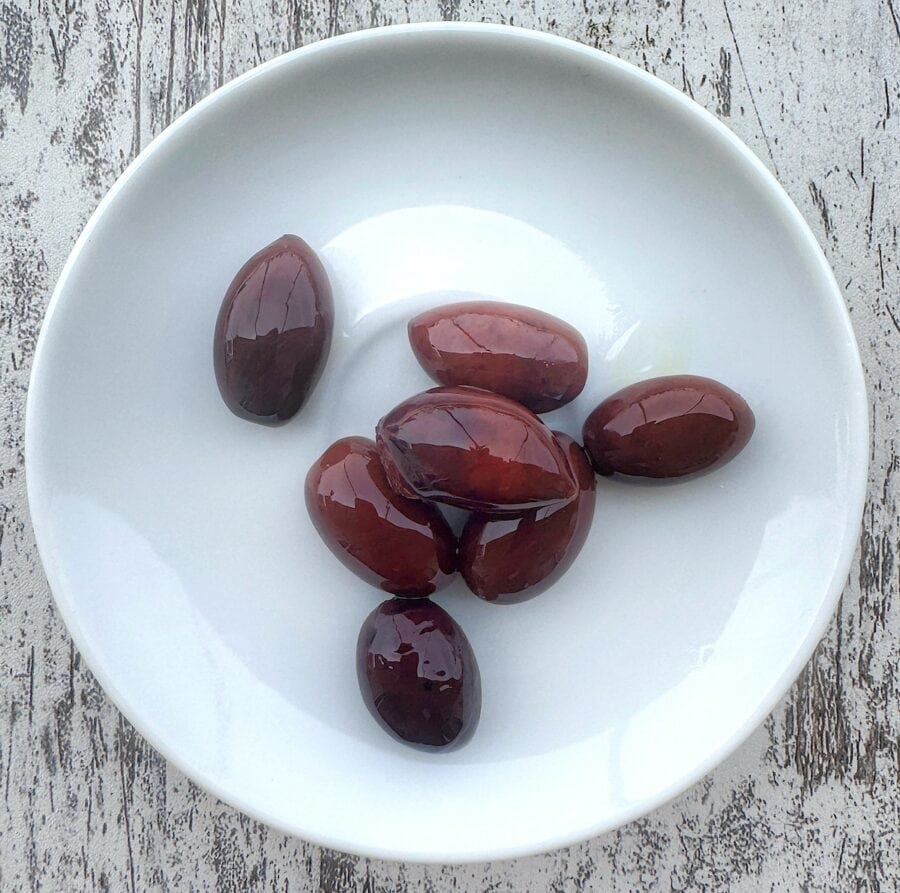 Kalamata Olives
When people think about healthy eating in the Mediterranean, they usually think of olive oil. But the olive itself, the whole fruit, is just as important. I didn’t need a nutrition degree to know that. I grew up with it. But the research we have today confirms exactly what people in the Mediterranean knew instinctively for generations.
In this article I want to cover everything: what is actually in olives, why they keep you healthy, why not all olives are the same, and how to start eating more of them.
Introduction To Olives: Origins And Varieties
Olive trees have been cultivated for over 6,000 years. The Mediterranean diet as we know it was built around them. There are hundreds of olive varieties grown around the world today. Some of the most common are Kalamata and Throuba from Greece, Castelvetrano from Sicily, Niçoise from France, and Manzanilla from Spain.
Olives Are a Fruit
Most people think of olives as a condiment or a fat source. But olives are actually fruits,. That means that they are rich in antioxidants and plant compounds we associate with fruit. Researchers have found over 30 phytochemicals in olives with beneficial biological activity, and they’re still finding more. They are not just a source of good fats, but also a source of these antioxidants.
Not All Olives Are Equal:Why The Type of Olive You Buy Matters, Processing Matters.
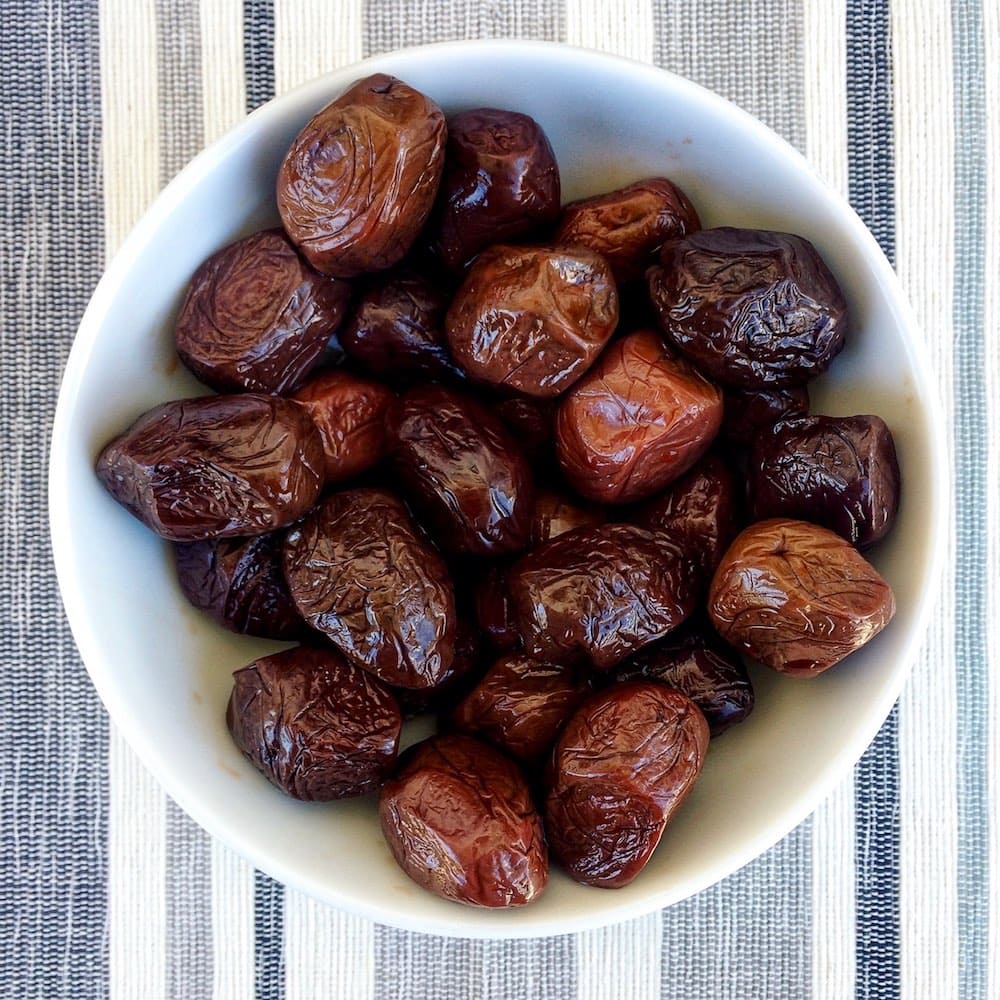
The most important thing about olives, and what surprises most people—is that how they are processed affects how many healthy compounds like polyphenols and probiotics remain.
One thing worth knowing from the start: a raw olive straight from the tree is too bitter to eat. Every olive you have ever had has been processed in some way to remove that bitterness. How it’s cured makes a big difference to its nutritional value, as I explain below.
The olives my family cures in the Peloponnese are nothing like the canned black olives you often find in most grocery stores in the US. They taste different, look different, and as the science now confirms, they are nutritionally very different.
Greek-Style: Naturally Fermented in Brine
Traditional Greek-style olives are cured slowly through natural fermentation in saltwater brine. This is how my family has always done it, and how it has been done in Greece. This method preserves the polyphenols (oleuropein, oleocanthal, and hydroxytyrosol) at much higher levels than faster industrial methods, as well as the probiotics, as it allows beneficial bacteria to develop.
Spanish-Style and California-Style: Lye-Treated
These olives are treated with lye (sodium hydroxide) to speed up the curing process. This is faster and cheaper, but it strips away a large amount of the polyphenols.
California-style black olives go even further: lye treatment, followed by artificial darkening through oxidation, followed by heat processing. The result is a very mild, soft olive with significantly lower polyphenol content and less flavor compared to naturally ripened varieties.
The Simple Rule for Choosing Olives
Choose naturally fermented, brine-cured olives when you can. The polyphenol and probiotic difference is significant, and these varieties are widely available in most grocery stores. The problem is, you won’t see it on the label.When in doubt, reach for Greek black olives, as they are cured naturally.
Tips for Choosing the Right Olives
- Look for dry salt cured olives or sun-dried (the wrinkly kind).
- Get used to a bit of bitterness, that means that there are some antioxidants present. A sweet, mild olive should be a sign that there is a very small presence of any phenolic compounds and has been processed with lye.
- Generally green olives (any type that is stuffed) and the black olives canned in water, are almost always processed with lye. Kalamata olives are usually processed with salt (not lye).
Health Benefits of Olives
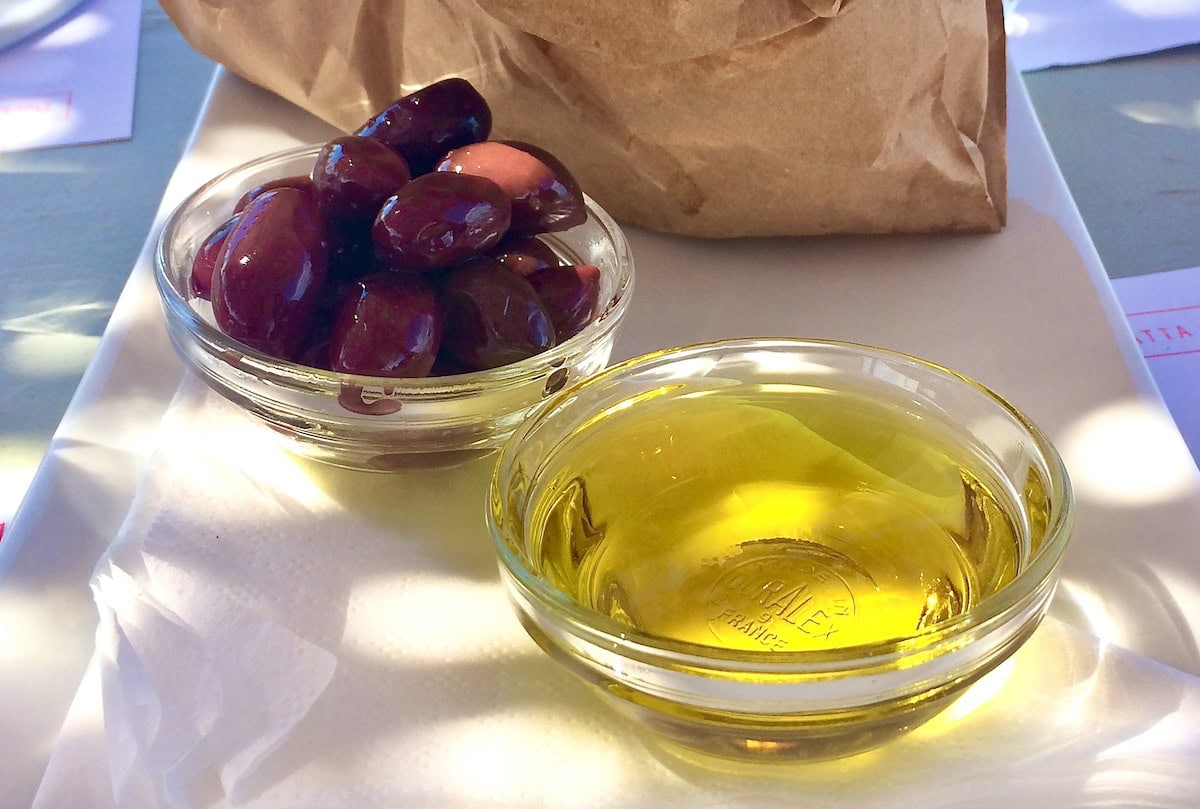
A serving of about 10 olives (around 40 g) contains about 50-75 calories. Their main macronutrient is fat, especially monounsaturated fat. Olives are low in carbohydrates and contain a small amount of protein. They also provide vitamin E, fiber, small amounts of minerals like calcium, iron, and magnesium, and beneficial plant compounds called polyphenols. They also contain probiotics that support gut health, but only if they have been naturally processed.
Powerful Antioxidants in Olives
The main components that provide the health benefits in olives are polyphenols.
Oleuropein gives raw olives their bitterness, and I can tell you from experience, a fresh olive off the tree is almost inedible. But that bitterness is actually a sign of the presence of this antioxidant. Oleuropein has strong anti-inflammatory and antioxidant properties and has been linked to heart and anti-cancer benefits.
Oleocanthal works in a way similar to ibuprofen by reducing inflammation in the body.
Hydroxytyrosol is one of the most powerful dietary antioxidants and helps protect cells from oxidative damage linked to aging and disease.
Heart Health
Olives support heart health in two main ways. Their monounsaturated fats help lower LDL (bad cholesterol) while increasing HDL (good cholesterol), improving overall cholesterol balance. At the same time, olive polyphenols reduce inflammation in blood vessels, improve arterial function, and may help lower blood pressure and arterial stiffness. Together, these effects support long-term cardiovascular health.
Anti-Inflammatory Effects
Chronic inflammation is linked to many major diseases, including heart disease, type 2 diabetes, cancer, and Alzheimer’s disease. The polyphenols in olives help reduce this inflammation by regulating inflammatory pathways and lowering oxidative stress in the body.
Brain Health
Olives may help protect the brain from long-term damage caused by oxidative stress and inflammation. Their antioxidants support the health of brain cells and may contribute to better cognitive function. Some research also suggests they could be linked to a lower risk of neurodegenerative conditions such as Alzheimer’s disease.
Blood Sugar Regulation
Certain compounds in olives may improve how the body responds to insulin, helping to regulate blood sugar levels. This can lead to more stable glucose levels and may support metabolic health, especially in reducing the risk of type 2 diabetes.
Anti-Aging Effects
Olives may support healthier aging by reducing oxidative stress and chronic inflammation at the cellular level. By protecting cells from damage, olive compounds may help slow aspects of aging.
Digestive Health
This is a lesser-known benefit, but olives actually support digestive health in two important ways: fiber and probiotics.
Naturally fermented olives are a source of probiotic bacteria beneficial for digestive health. However, many olives are pasteurized or heavily processed, which kills the beneficial bacteria.
Delicious And Easy Ways to Add Olives to Your Diet
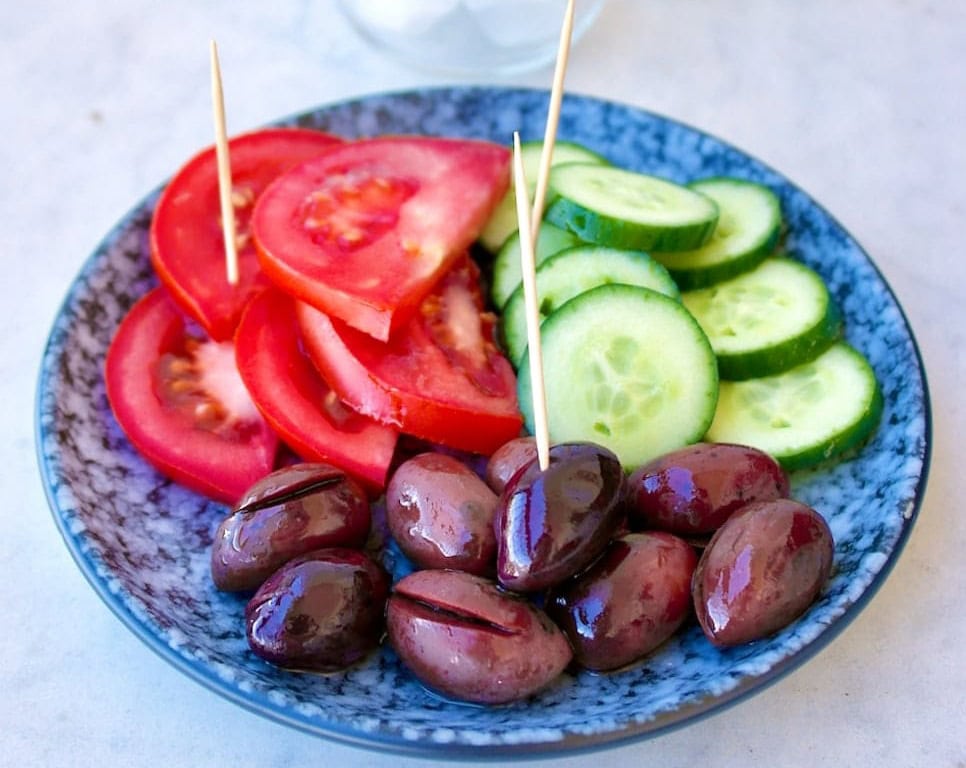
One of the things I love most about olives is how simple they are to incorporate. I can eat them plain, with bread or just accompanying any meal
Simple Ways to Eat More Olives
- On the table as a meze: I have olives with bread and cheese. This is how Greeks eat them every day, and it requires zero effort.
- In a Greek salad: Tomato, cucumber, red onion, feta, Kalamata olives, olive oil, and dried oregano. One of the best flavor combinations in all of food.
- In pasta: Add to olive oil, garlic, capers, and tomatoes for a quick, deeply flavorful sauce.
- As a spread: Chop with olive oil and herbs and serve on bread or crackers.
- With roasted vegetables: Toss in during the last few minutes of cooking for a salty, savory depth.
- As a snack: A small handful on their own. More satisfying than most packaged snacks, and far better for you.
You can also try these recipes:
Greek Style Herb Roasted Olives
Mediterranean Stuffed Baked Potatoes with Marinated Feta and Kalamata Olives
Black Olive Tapenade
Frequently Asked Questions
Are olives good for you every day?
Yes. A serving of 10 olives gives you healthy fats, polyphenols, fiber, vitamin E, and probiotics.
What is the healthiest type of olive to eat?
Greek-style olives that are naturally fermented in brine have the highest levels of polyphenols and also provide probiotic benefits.
Are olives anti-inflammatory?
Yes, and the anti-inflammatory effects come mainly from the polyphenols. Oleuropein, oleocanthal, and hydroxytyrosol are the key compounds.
Do olives have probiotics?
Naturally fermented, brine-cured olives do. Lye-processed olives do not. This applies to most California-style black olives.
How many olives should I eat per day?
Around 10 olives is a good daily serving.
What Determines the Color of An Olive?
Color is about ripeness. All olives start green and darken as they ripen, moving through yellow, pinkish, and purple before turning fully black. I watched this happen every year growing up: you can see the change of colors from green to deep purple as November approached.
**One important exception: California-style canned black olives are not naturally black. They are green olives treated with lye, then artificially darkened through oxidation, then heat processed. The result is that uniform dark color and soft texture, but significantly lower polyphenol content and less flavor complexity compared to naturally ripened varieties.
Are Green or Black Olives Healthier?
Both are good. Green and black olives are the same fruit at different stages of ripeness. Green olives are harvested early whereas black olives are left on the tree to ripen fully.
What matters more is how the olive was processed. A naturally fermented black olive is far more nutritious than a lye-processed green one.
When in doubt, reach for Greek, Italian, or French traditionally cured varieties.
REFERENCES
Conte, Paola et al. “Table Olives: An Overview on Effects of Processing on Nutritional and Sensory Quality.” Foods (Basel, Switzerland) vol. 9,4 514. 20 Apr. 2020, doi:10.3390/foods9040514
Perpetuini, Giorgia et al. “Table Olives More than a Fermented Food.” Foods (Basel, Switzerland) vol. 9,2 178. 12 Feb. 2020, doi:10.3390/foods9020178

How do the jarred Castelvetrano Olives stack up? I am addicted to those! :/
I have reached out to several, including European, olive companies. I have not found any that sell kalamata olives without the lye process, even ones that specifically said “organic kalamata olives in our secret brine recipe”. Can you name any company, accessible to the US, where I could import some non-lye olives from?
Hi Thea, Unfortunately “kalamata” olives are not protected term when sold outside of Europe. That means “Kalamata olives” sold generically in the US, may or may not follow that traditional process. Greek PDO (Protected Designation of Origin) olives are not processed with lye as well as other PDO olives. It is a bit tricky as it is not noted generally on the label. But generally green stuffed olives and black canned olives are processed with lye.
I’m lucky in Australia as I can buy Greek Kalamata olives in my supermarket and the flavour is superior to any other olives I’ve ever eaten. Great article thanks Elena it was informative
Happy to hear that Joey!
Great article! Now to plough through the Supermarket shelves to try to find good olives!
Very interesting and useful information. Thank you!
I lived in Greece in the 70s. We had a sailboat and would travel from island to island. Every island’s olives and olive oil had a different taste. We would sit in a kafenion and have an ouzo or cafe and a plate of olives, olive oil and bread. Wonderful memories. I enjoy your cookbook.
I purchased a large jar of Parthenon brand organic kalamata olives. It says they’re hand picked & prepared in the traditional greek way. The ingredients are olives, water, sea salt, organic vinegar & organic extra virgin olive oil. I am hoping these are considered on your approved list?
I purchased a large jar of Parthenon brand organic kalamata olives. It says they’re hand picked & prepared in the traditional greek way. The ingredients are olives, water, sea salt, organic vinegar & organic extra virgin olive oil. I am hoping these are considered on your approved list?
Excellent article, Elena! Born in an Italian household, where our snacks were olive, pane, e pomodoro, I can appreciate the importance of choosing correctly. I love your book and I’m constantly reaching for it for our dinner rotations. Thank you for your research and for educating us on choosing (and eating) better!
Most important – where can we Americans buy or source the best olives without fakery?
Hi Elena,
Our Greek friends introduced us to Greek cooking years ago. We have only bought Kalamata olive (Diana in can) oil for years however, as you are aware, they experienced a severe drought and you can no longer purchase the Kalamata olive oil that we LOVE. Do you know if and when it will ever come back on the market? We keep checking Trader Joes here to no avail. 🙁
Also, we moved to Arizona from Indiana (close to Chicago’s Greek Town) and sadly, we just cannot find a quality Greek restaurant here.
We love your articles om Greek food!!
Best,
Dave Templin
Wonderful information! I might start eating even more olives!
http://www.chefmimiblog.com