Latest Story

The 5 Biggest Misconceptions About the Mediterranean Diet

May 24, 2013 2 Comments

Kritamo

The Mediterranean diet has become the “it” diet. While it has been gaining popularity since the 1990’s when the Mediterranean diet Pyramid was presented by Harvard and the World Health Organization researchers along with other experts, today its popularity has reached new heights. Ever since the New York Times presented a recent Spanish study showing that the diet may be better for the heart than a low fat diet, the media has gone crazy. Numerous e-books on the diet literally appeared overnight, articles on the diet were everywhere, Mediterranean style recipes are popping up on all the food websites and blogs, and basically everybody not only has an opinion on the diet but they also feel that they can dispense advice on a diet that they may have never experienced themselves.

So here are the 5 biggest misconceptions going around:

1. There is no single Mediterranean diet.
Well, not exactly, there is one Mediterranean diet model. The Mediterranean diet was based on the diet of Cretan men in the 60’s and more generally Greece and Southern Italy of that period (read about it in this Harvard article). At that time the rates of chronic disease in those areas were among the lowest in the world, and life expectancy was among the highest. We often see articles stating that it is a combination of components of the diets of countries surrounding the Mediterranean. The diet of Crete and most of Greece and Southern Italy combined all those components, almost all other countries have locations where they do not follow a Mediterranean style diet, such as Northern Italy or Spain where meat is very prominent and some countries around the Mediterranean do not even use olive oil as the main sort of fat. So it is wrong to state that their is no single Mediterranean diet, there is one prototype. That doesn’t mean that you can’t combine Mediterranean components from all these countries, but it is important to know what diet did serve as the prototype for the well-known Mediterranean Diet.

2. Olive Oil should be drizzled on salads
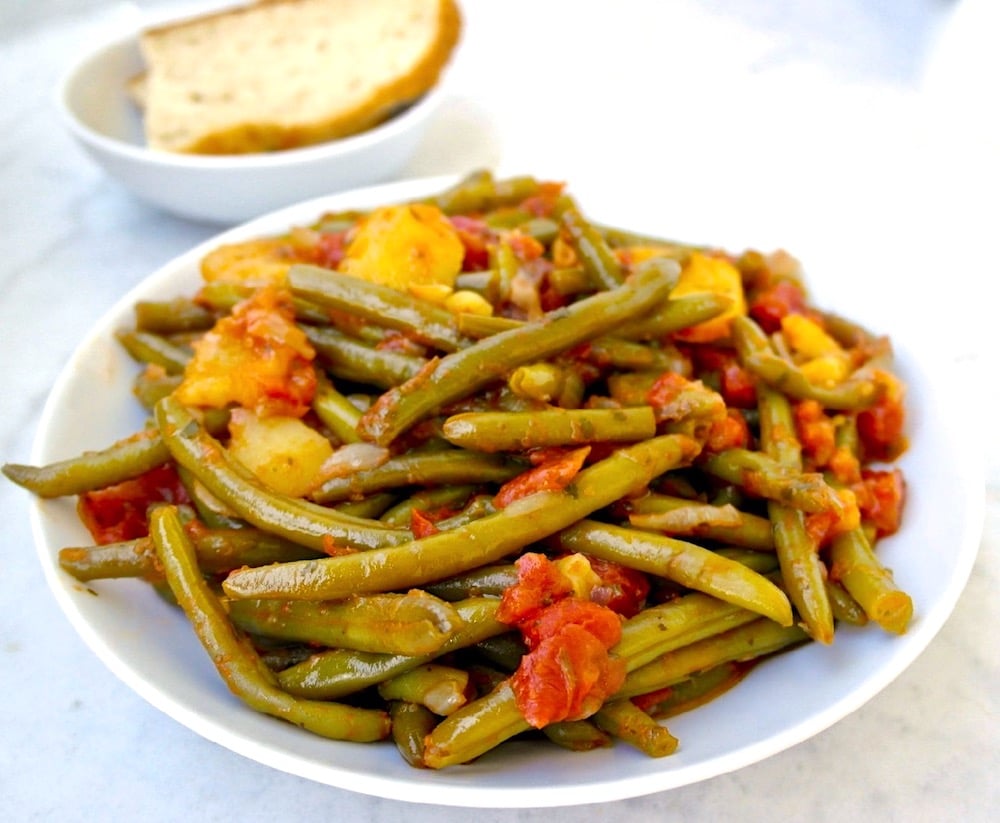
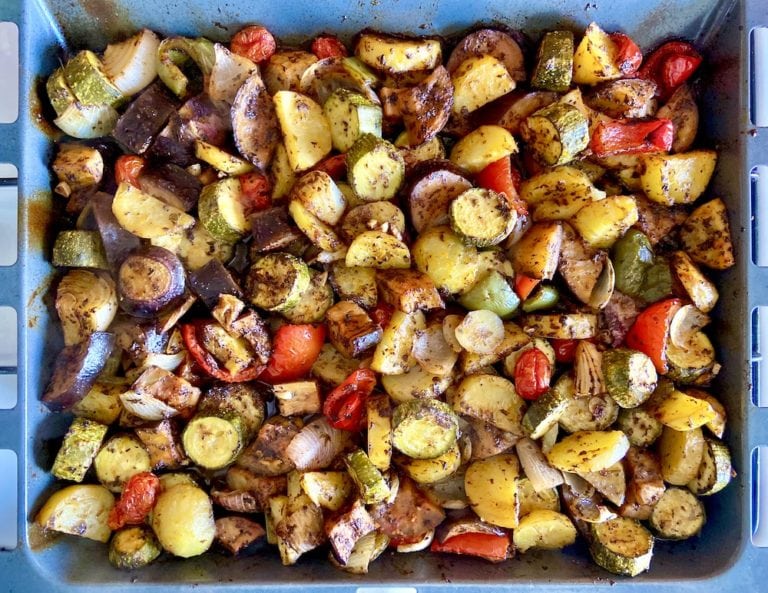
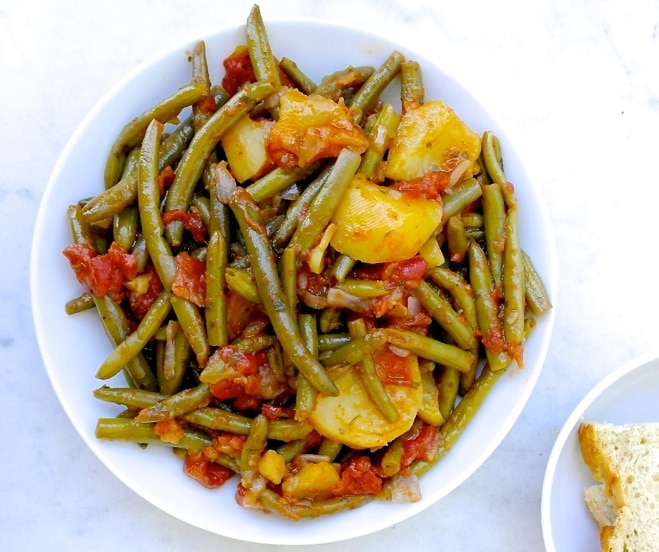
Many articles advise you to drizzle a bit of olive oil on your salads or over cooked vegetables. There was a lot of discussion about the amount of olive oil used in that Spanish study: 4 tablespoons, and some thought that was way too much. Well, I have got news for you: You know that Cretan diet we were talking about earlier? Well in some cases their fat intake made 45% of the total calories of the diet. If you looked at Greeks cooking traditional vegetable recipes, you see them pouring the olive oil straight from the bottle. In Greek cuisine there is even a whole category of dishes named “lathera” which means “cooked in oil”. For a good lathero the rule was that you should actually see the olive oil among the vegetables after they are cooked. The meal as a whole had a moderate caloric value, because all you ate were vegetables cooked in olive oil, with some bread and cheese, so you did not see weight gain with that sort of meal. We have to remember that these people had to support themselves with what they produced and that was olive oil, vegetables and dairy. Vegetables and olive oil were used as a means to provide satiety, since they could not afford meat. So when reading all that advice, it makes me wonder if these experts really know what a Mediterranean diet is, if they did, they wouldn’t be telling people to add one teaspoon of olive oil to their food.

3. Nuts are a big part of the diet
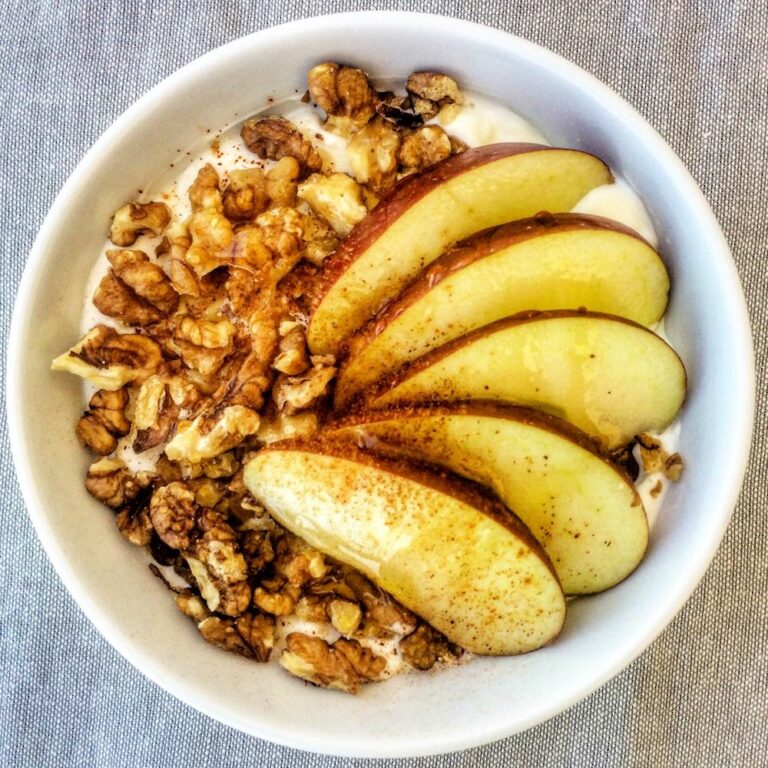
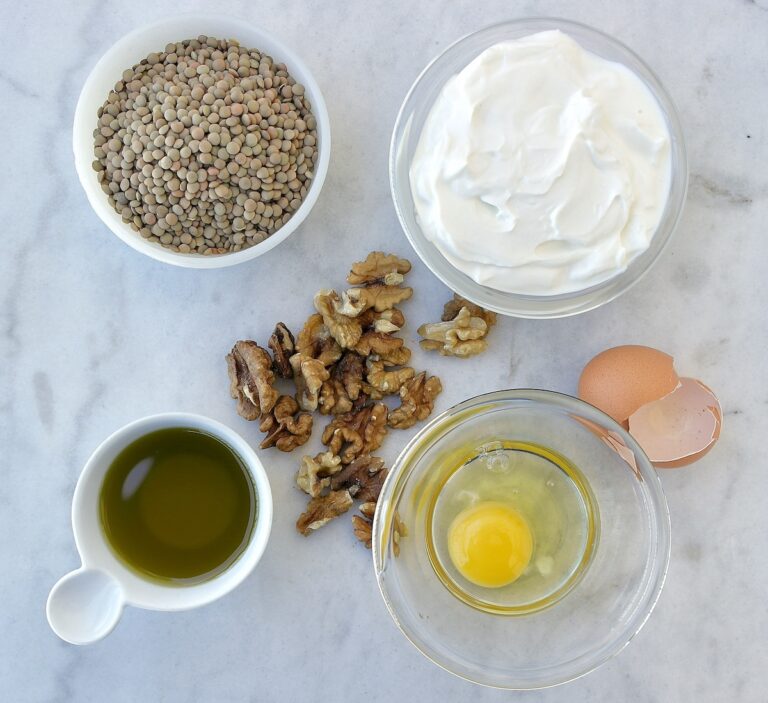
Everywhere you read about the prominence of nuts in the Mediterranean diet. Well, they aren’t so prominent as it is suggested. Greeks would have walnuts at home when they were in season. Nuts, mainly almonds and walnuts were used mainly in sweets, and in some sauces such as skordalia (garlic sauce) but they were not a daily habit. Georgia Petraki, a Cretan Nutritionist who specializes in the traditional Cretan diet, tells me that the consumption of nuts in Crete at that time was seasonal and nuts generally were not available in large amounts. Each family may have had an almond tree, and when it was almond season the family ate some and the rest were saved as they were considered precious and served only to guests. So yes, nuts have a high nutritional value, but they are to be consumed 2-3 times a week, not every day.

4. Plenty of Pasta
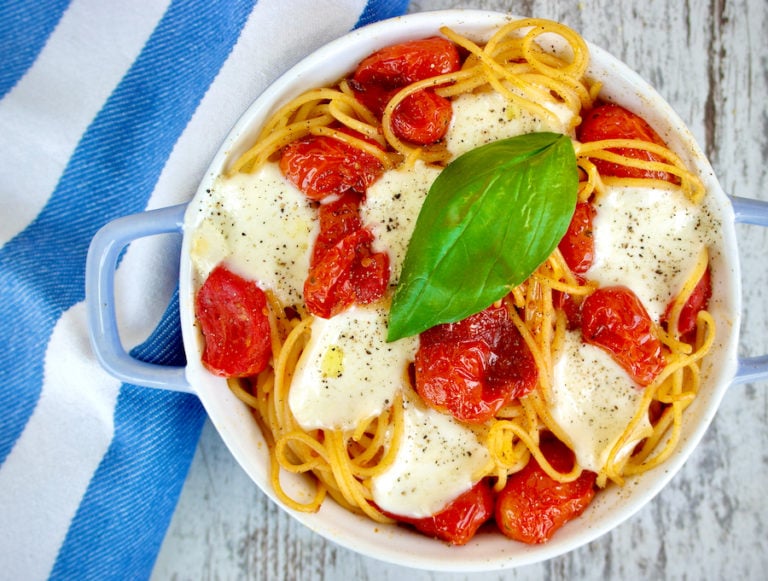
Many people associate the Mediterranean diet with pasta and are worried it will make them fat.  While there is a good amount of starches in the diet, it’s not huge bowls of pasta but whole grains foods such as barley rusks, whole wheat bread as well as potatoes, polenta, rice and of course pasta. So pasta can be a part of the diet, depending on the area. But it is usually an accompaniment and not drowned in butter and cream based sauces. Enjoy your pasta, but make sure it’s made with an olive oil or tomato based sauce, accompanied by plenty of vegetables.

5. The Mediterraneans follow the Mediterranean diet
In the articles I’ve written in the past I make it clear that when I talk about a Greek-Mediterranean diet, I am referring to the traditional Greek diet. Unfortunately many Mediterraneans do not follow their famous traditional diet any more. No, we don’t sit around having long lunches with family and friends every day, nor do we eat meat once a month. More and more Greeks are eating fast food meals at their desk accompanied by a Coke. More and more Greeks are eating meat everyday rather then a lathero dish. And more and more Greeks (and Italians, and Spaniards) are becoming obese. You might think: “it’s all that olive oil they pour on their food”. I wish it were all that olive oil, I wish Greeks would use only olive oil. But the fact of the matter is that it’s exactly the opposite: Greeks slowly have stopped eating their traditional food, which happens to be one of the healthiest in the world. Processed foods have become prominent in the average diet of the modern Greek.

Photo by Olive Tomato

New Greek Cuisine is Here to Stay

May 20, 2013 1 Comment

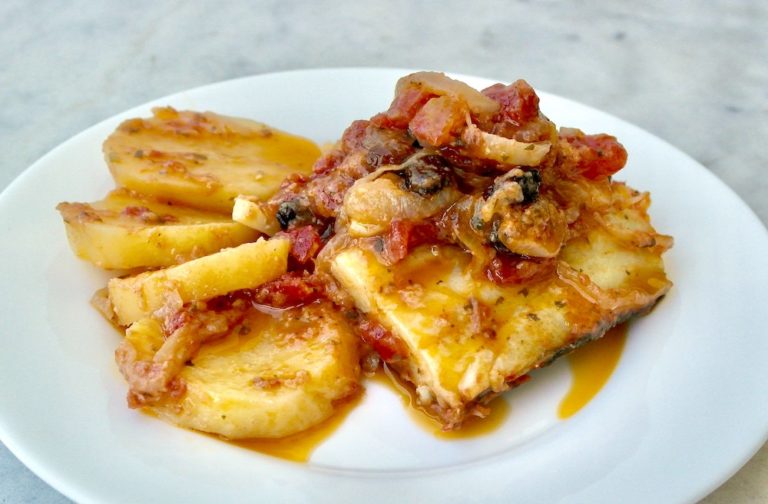
Kalamari

When you think of Greek food, you usually think of chunky Greek salads, messy but delicious souvlaki, and pungent garlic sauces such as tzatziki and skordalia ready to be smothered on fresh bread. Yes, Greek food is known for its simplicity and heartiness, but also for its health benefits. Greece (along with southern Italy) is, after all the birthplace of the now famous Mediterranean diet. But can Greek food be fancy, and still retain its essence? Can it remain simple, fresh and healthy? Well, some Greek chefs have proved that it can. Read more »

Join Me at Greek Gastronomy Days Event in Athens. Win a Pass and Experience Greek Food Culture.

May 18, 2013 1 Comment

poster gia web1On the 24th through the 26th of May, the event Gastronomy Days will take place at the Benaki Museum in Athens. “Gastronomy Days- Designation of Origin: Greek” is a one of a kind, effort to highlight Greek gastronomy and to promote authentic and unique Greek food products.

During the 3 day event, visitors will be able to taste and sample products from Greek food producers at the exhibition. But apart from that, there will be numerous events such as live cooking, degustation, Greek cocktails & food styling  from top food professionals in Greece. In addition, there will be several presentations covering a variety of themes such as Architecture & Gastronomy, Gastronomic Diplomacy – New Greek Cuisine, Food Origami, The Culture of Flavor, Mediterranean Diet, Food Blogging in Greece.

I am happy to say that I will be presenting at the food blogging session that will take place on Sunday, May 26th from 5 pm to 7 pm.

If you live Greece or are in Athens during this time, this is a great event that really showcases what is going on in the Greek food culture at this moment.

So I am excited to say that I have a few passes to give away! I am giving out 5, 3-day passes for two persons for this event (a 40 euro value). Each pass is valid for 2 people. Read more »

Greek Yogurt Cheesecake Mousse with Pistachio-Fig Crust

May 14, 2013 10 Comments

Greek cheescake

I love cheesecake especially the no-bake type. But sometimes all that butter from the crust and the fat from the condensed milk can be too much, so here is a lighter, “greeker” version that is also super easy to make. Since this is more of a mousse, it is also much easier to assemble, plus the single servings help you keep count of how much you eat.

This is a Greek style cheesecake because the main ingredients are Greek. I used the Greek cheese anthotyro which is a soft fresh cheese similar to ricotta (which you can also use) which is made from sheep milk. I also used lowfat Greek yogurt and the famous pistachio nuts from the island of Aegina. Since the cheese and yogurt are lowfat and not much sugar is used, it has fewer calories, with the fat being much lower than your average cheesecake. But don’t be fooled, this dessert may have less calories, but it tastes just like regular cheesecake. Read more »

Greek Pasta with Mizithra Cheese and Cherry Tomatoes

May 8, 2013 4 Comments

Hilopites with dry mizithra

Pasta is considered a comfort food for most. It is also a favorite among almost everyone, especially kids. Many people associate the Mediterranean diet with plenty of pasta and assume that this type of diet will make them fat. Well, first of all looking at the traditional Mediterranean diet, pasta was not consumed in large amounts. In the Greek traditional diet pasta was perhaps consumed once a week while in Italy pasta is often consumed in small amount as a first course. And let’s not forget that the rest of meal was rich in vegetables. So no the Mediterranean diet is not about eating large bowls of pasta everyday.

I occasionally make pasta adding several vegetables and cheese. My favorite type of cheese to add to pasta that also reminds me of my childhood meals with both my grandmothers is dry Mizithra or aged mizithra. Aged mizithra is basically made from the leftover whey from the milk. Usually from sheep or goat milk. It is a spicy, salty and hard cheese ideal for grating. Apart from the flavor, it is generally a lower fat cheese, which means you can add a bit more and not worry about it too much. Brands that are exported are often made with less fat, some companies add cream. I have found a dry mizithra here in Greece with very little fat but with a lot of taste. Also dry mizithra is not to be confused with fresh mizithra. Fresh mizithra tastes different, and has a different texture as well. It is almost sweet and soft similar to ricotta. Read more »

Mediterranean Diet May Protect Against Depressive Symptoms

May 3, 2013 Leave a Comment

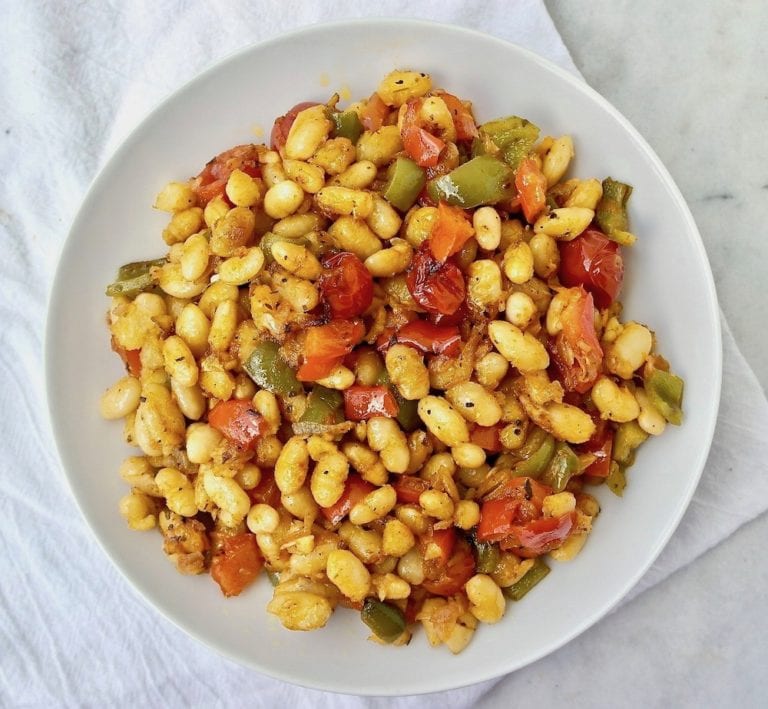
Gigantes Beans

I am inclined to say that this is getting ridiculous. What, you ask? Well the fact that there are so many new studies coming out about the Mediterranean diet that I can’t write about them in time. So while I love sharing recipes and mixing things up on this blog, this week is more about studies and not recipes. So here goes: Researchers from Rush University Medical Center in Chicago wanted to see if a Mediterranean style diet can affect the appearance of depressive symptoms in the elderly. The participants were over 65 years old, lived in Chicago and were followed for about 7 years. The results showed that the individuals who adhered the most to a Mediterranean style diet had a much lower risk of developing depressive symptoms. How much lower? Well, I am quoting the researchers: “ The annual rate of developing depressive symptoms was 98.6% lower among persons in the highest tertile of a Mediterranean-based dietary pattern compared with persons in the lowest tertile group. Impressive. The study was published in the The Journal of Nutrition, Health & Aging Read more »

Two New Studies Show Mediterranean Diet Best to Prevent Aging of the Brain and the Body

May 2, 2013 Leave a Comment

At Dumbo Restaurante

Well, it is May and it is International Mediterranean Month once again. And these studies came in just in time. Although the findings are not new, recent research confirms and strengthens the findings of previous studies.

So in the first study the reserachers basically found that closer adherence to a Mediterranean style diet resulted in a lower risk of memory loss. Information was gathered from over 17000 individuals above the age of 45 who were part of the REGARDS (Reasons for Geographic and Racial Differences in Stroke) study. The study was published in the journal Neurology.

The second study which was actually a review of studies concluded that the Mediterranean diet can temper endothelial aging. The endothelium is the inner lining of our blood vessels. As we age oxidative stress can cause damage to the endothelium and this is associated with heart disease and cancer. The researchers based on their review concluded that a Mediterranean-style diet, improves vascular dysfunction and can play a role in the protection against the chronic diseases related to aging. The study was published in the International Journal of Molecular Sciences.

So there we have it. More proof that a Mediterranean diet is good for you.

Photo for flickr by Michelle Lee.

Baking with Olive Oil, Tradition or Trend?

April 30, 2013 3 Comments

chocolate cake with EVOO

Lately I’ve been coming across all these articles about desserts made with olive oil or using olive oil in baking as if it is this new trend. Well in a way it is a trend, outside the Mediterranean that is. Many bakers are just discovering the beauty and merits of baking with olive oil. But here in Greece it is a common ingredient for baking.

This is probably due to two factors: First, olive oil was abundant and much cheaper then butter, which was considered a luxury item. Secondly, Greeks had all those fasting days where they were not allowed to consume animal products, so they had plenty of dessert recipes made with olive oil. And many recipes that require butter also have an olive oil version. Read more »

The Mediterranean Diet is an Eco-Friendly Diet

April 22, 2013 1 Comment

Happy Earth Day!  Today I would take like to talk about how “green” the Mediterranean diet is. Contrary to what you may have read on the internet, in newspapers and magazines, the Mediterranean diet is not about eating salmon, imported cheese and expensive vegetables such as artichokes. This misinformation may give the impression that the Mediterranean not only is expensive but also not good for the planet if you have to eat imported vegetables and other foods from the other side of the world. In fact, the Mediterranean diet is quite the opposite; it is all about eating locally, in season and not letting anything go to waste.

The Mediterranean diet has actually been presented as a model and example for a sustainable diet for the Food and Agriculture Organization of the United Nations (FAO). But apart from the diet as a system, we all can follow a Mediterranean diet and make the diet sustainable for the planet and us. The basic principles of the Mediterranean diet go hand in hand with sustainability. Read more »