Tasting The Best Greek Food Products Around

April 16, 2013 Leave a Comment

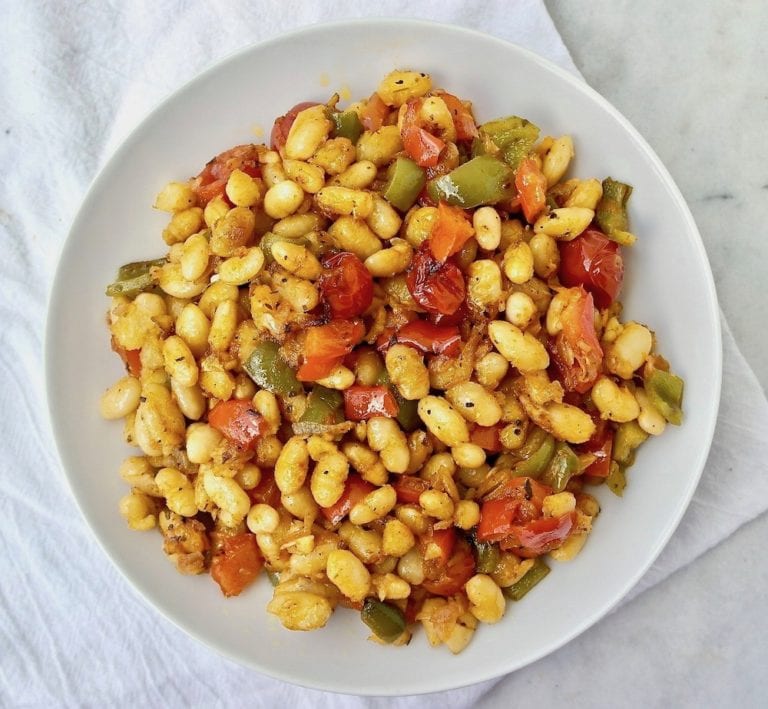
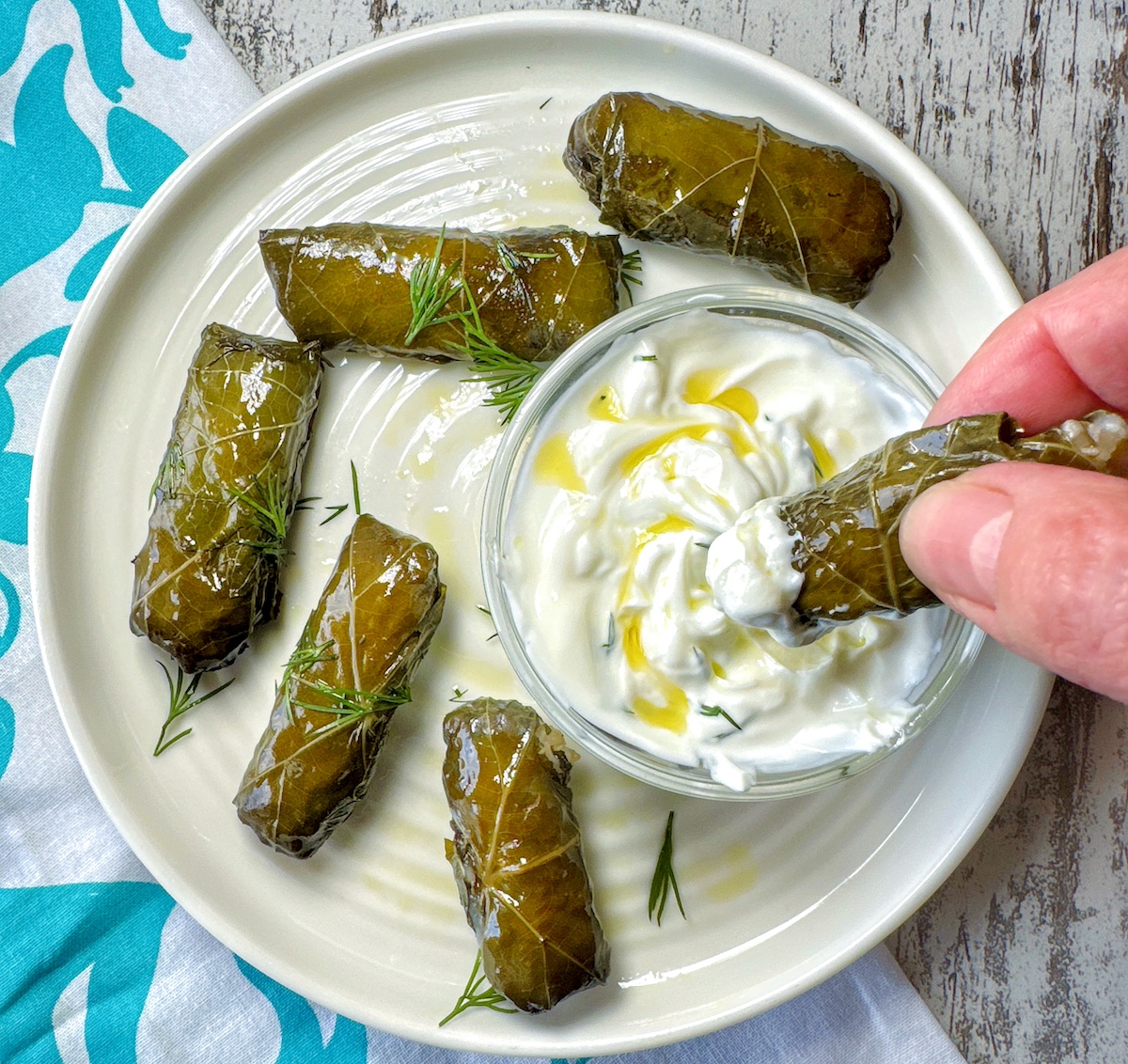
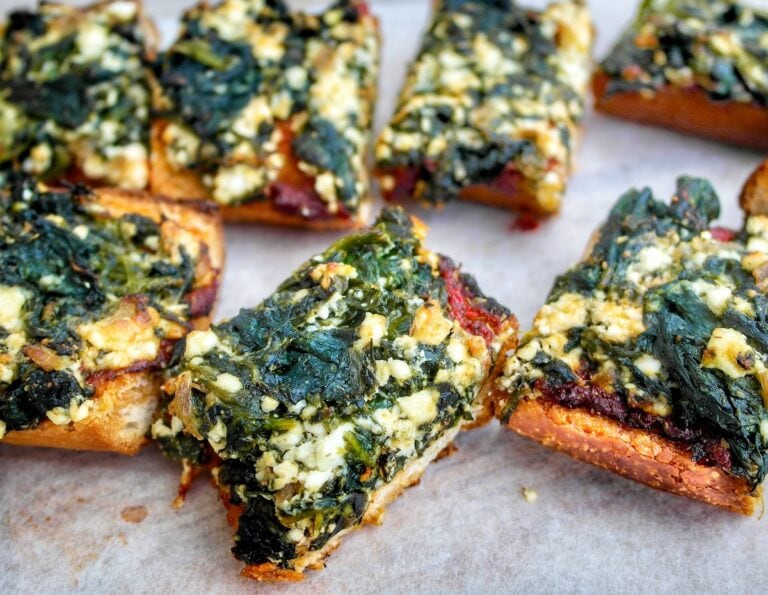
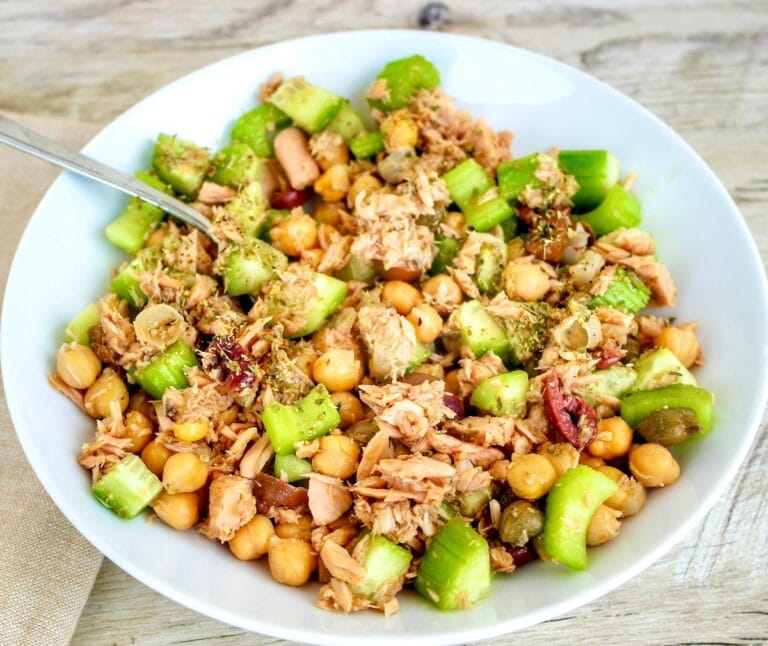
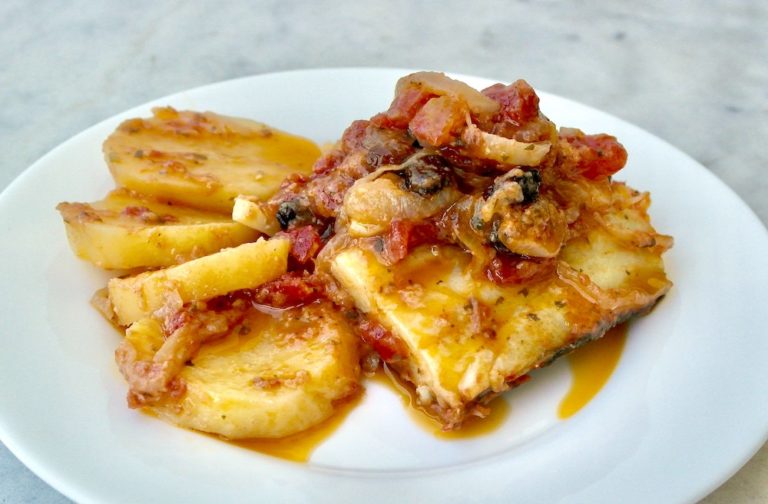
fava tomato pita

This past weekend Athinorama a cultural and entertainment magazine, organized a food festival showcasing mainly small producers with some of Greece’s best food products. Attendees could also attend cooking and tasting workshops and seminars. The festival took place at Technopolis, the former location of Athens Gasworks, a gas factory established in the mid 1800′s and finally closed down in 1984. It was restored and renovated and now is large cultural center housing a variety of events including concerts, exhibitions, theater, educational programs for kids and now food.

I managed to get there on Sunday, it was a beautiful sunny day and as expected it was quite crowded (apologies for some the photos, it was so crowded at times, that I couldn’t take a decent photo). The stalls were set up in the separate buildings on the site. There were a variety of vendors, while I knew most of the products it was nice to meet people in person and try some of their new products. The exhibition was different in the sense that most of the companies were small and produced high-quality products from traditional Greek ingredients (with the exception of a company that made sugar-free chocolate, not a good fit at all). Read more »

The Mediterranean Diet may Reduce Hot Flashes

April 12, 2013 Leave a Comment

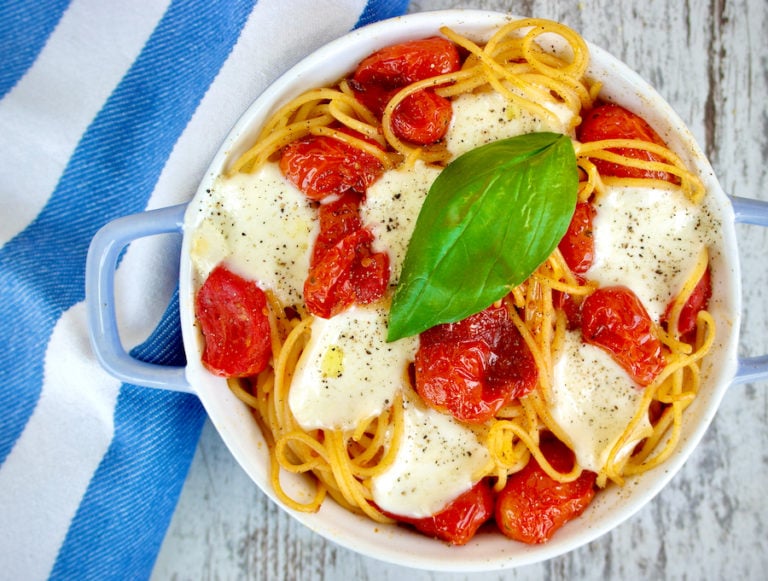
pasta tomato

That’s what a new study published in the American Journal of Clinical Nutrition seems to be showing. Australian researchers from the University of Queensland investigated the association of dietary patterns with the risk of presenting menopausal symptoms of hot flashes and night sweats, also known as vasomotor menopausal symptoms.

The researchers analyzed data from 6040 women from the Australian Longitudinal Study on Women’s Health, with a natural menopause. They were followed up every 3 years for a total of 9 years. Their diet was assessed at the beginning of the study along with menopausal symptoms as well as during follow up.

There were several dietary patterns identified such as Mediterranean style, meat, high fat and high sugar. The results showed that consumption of a Mediterranean style diet and a fruit diet was associated with less reporting of these menopausal symptoms whereas a high fat, high sugar diet was associated with increased risk of these symptoms. Read more »

Cool Greek Beers with Local Greek Ingredients

April 11, 2013 1 Comment

Greek Beer

In the past few years we have been seeing many new Greek beers on the market. For years Fix beer was known as “The” Greek beer, years later Alpha as well as Mythos became common choices. Today there are a number of new Greek breweries that offer unique formulations based on Greek ingredients.

Obviously this blog is not about Greek wine or beer, but I found it interesting how several beers are using Greek food ingredients as the selling point. I identified a few of these beers that I thought were quite interesting:

  • Septem is a microbrewery based in Evia in Greece. Their beer Sunday’s uses Greek floral honey, with the ingredients stating that it makes 9% of the ingredients (site is under construction).
  • Volkan is a beer from the Greek island of Santorini. It uses Santorini honey and citrus medica, which according to the company is a rare fruit bought to Greece from Persia. It is also filtered through a lava rock filter made from Santorini basalt (basalt is a volcanic rock).
  • BIOS 5 is a beer produced by Athenian Brewery, the same company that makes Alpha beer. The label states that this beer is made from 5 grains produced in Greece (barley, wheat, rye, corn and rice). Read more »

Almond-Dark Chocolate Chip Banana Bread Made With Olive Oil

April 8, 2013 7 Comments

Almond-Chocolate Banana Cake

I often make banana bread when I want to have something at home that is sweet, but not a full-blown dessert with hundreds of calories. Now this bread is pretty much vegan as there are are no animal products in it, so it is suitable for those of you who are following the Greek fast (yes it is nistisimo).

But even if you are not a vegetarian or fasting, this bread/cake is delicious with very little saturated fat and no cholesterol. I used olive oil in the place of butter, no eggs, and I also added some slithered almonds which go nicely with the banana rather then the commonly used walnut. I also used a bit of whole wheat flour, just to add a bit more fiber to it. And yes, I added a few mini dark chocolate chips, just enough to give a hint of chocolate. Read more »

Warm Spinach Lentil Salad with Olive Oil and Honey Dressing

April 4, 2013 7 Comments

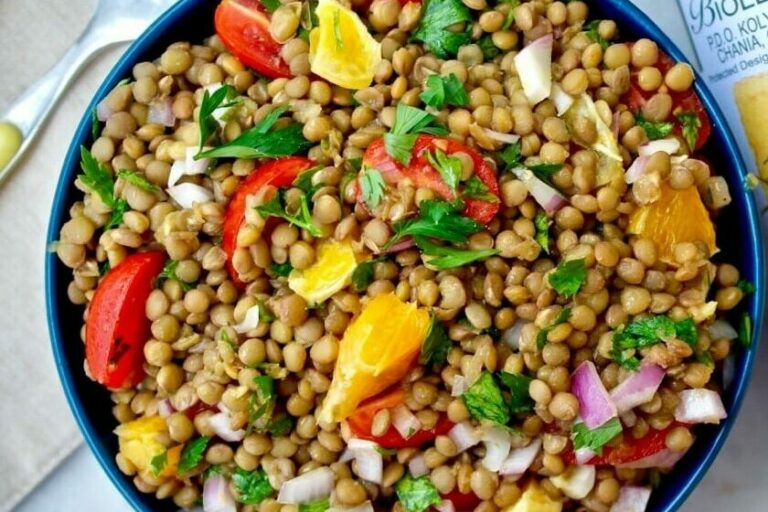
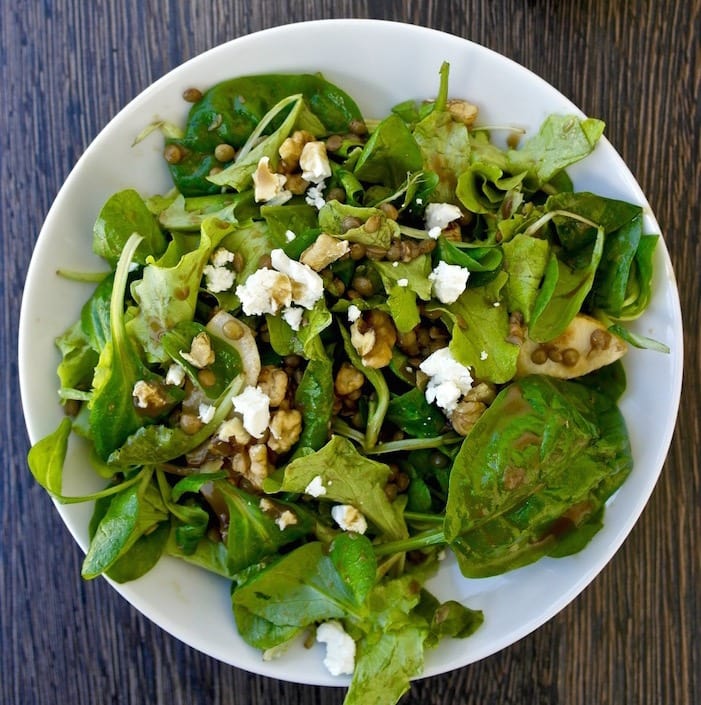
Spinach Lentil Salad

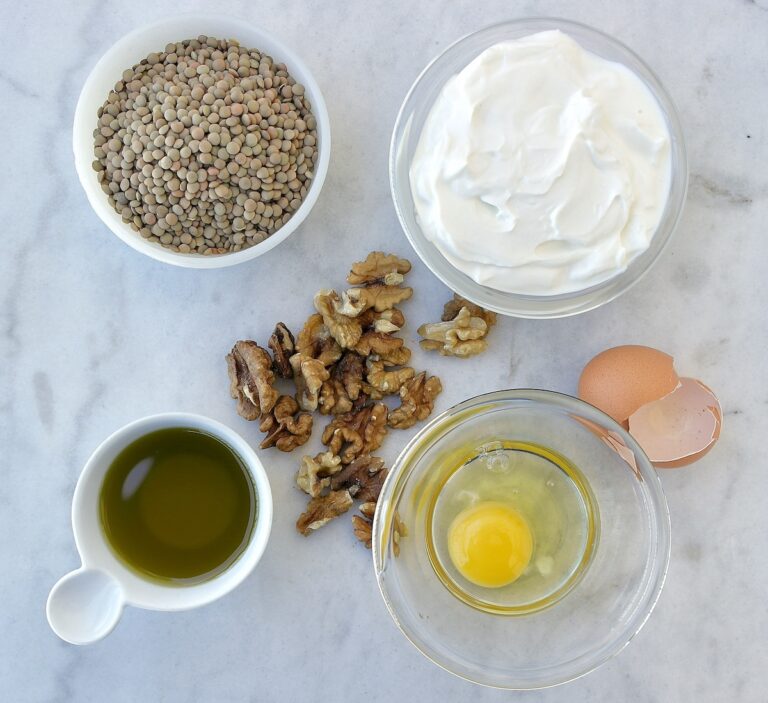
This is a nice and easy vegetable dish that really is a complete meal. Beans are one of the most important components of the Greek-Mediterranean cuisine, particularly during fasting periods. They are usually consumed 2 times a week as a soup or cooked (or roasted) with tomato and other vegetables, they also are often combined with greens. This combination is truly one of the most nutritious you can eat.

There are so many benefits to all the ingredients: spinach provides your vegetable serving along with fiber while the lentils are your source of protein, some iron and of course fiber. And all the ingredients including the olive oil and honey provide the antioxidants. Research has shown that beans provide improved glycemic control making them a good choice for diabetics, but also protecting from heart disease as they can help lower cholesterol levels. Read more »

Greek Style Sweet Beet Preserves

April 1, 2013 Leave a Comment

Beet Preserves

Gliko koutaliou, which translates into spoon sweet, is basically a sweet made from sugar and fruit and sometimes vegetables. Popular spoon sweets include sour cherry (vissino), grape, bitter orange (nerantzi), but you also find eggplant and tomato spoon sweets. These sweets are made by boiling the fruit whole or in large pieces with sugar making a syrupy fruit preserve.

This type of sweet is traditionally served plain on a tiny dish with a spoon along with a cold glass of water. It is also served with yogurt or on top of ice cream. Since it is only fruit and sugar it is low in fat but also nistisimo, in other words it contains no animal products so it can be consumed during fasting periods.

This time I wanted to make beet preserves, I figured they are already quite sweet and so I wouldn’t need too much sugar to make them into a preserve. Read more »

Traditional Greek Foods May Be Eligible for Over 1000 Nutrition Claims in Europe

March 29, 2013 Leave a Comment

GREEKOLIVES

I was very happy when I received Dr. Antonia Trichopoulou’s latest study that basically examined the potential of 194 traditional Greek foods to bear nutrition claims.

Dr. Trichopoulou, M.D., Ph.D. is one of the top Mediterranean diet researchers in the world. A Professor of Preventative Medicine and Nutrition at the University of Athens Medical School, she was one of the contributors to the development of the Mediterranean Diet Pyramid by Oldways and Harvard. Apart from her interest in researching the benefits of the Mediterranean diet she also feels that it is very important to preserve traditional foods.

In this study Trichopoulou along with her colleagues basically wanted to see how many traditional Greek foods were eligible to bear nutrition claims in the European Union market.

Why? Well nutrition and health claims on foods could offer a valuable tool in highlighting some of the beneficial nutritional properties of Greek/Mediterranean traditional foods, and at the same time protect consumers from unjustified claims, guiding them towards better dietary choices. Read more »

Simple Greek Style Beet Salad

March 28, 2013 4 Comments

beets with olive oil

Beets along with their greens are traditionally served here in Greece with skordalia, the delicious Greek garlic sauce. So wherever skordalia goes, beets go too. The beets were cut off from the greens and both were boiled in a large pot. Once they were cooked, they were served with skordalia, feta cheese and bread. This consisted of a whole meal. Yes, the beauty of the Greek diet, vegetable main courses. Many people think that beets are “fattening” because they are what we call a starchy vegetable.

Yes they are mainly carbohydrates, however they are a good source of fiber and they have very few calories: 3 ounces (100 grams) are about 40 calories. More importantly, beets contain several substances that can benefit our health. One of the them known as betaine is a nutrient that may protect from heart disease and stroke, research shows that it can lower homocysteine levels in the blood. High homocysteine is related to a higher risk of heart disease. Beets also contain betalain, a substance with antioxidant and anti-inflammatory properties. Now since you are cooking beets, it is good to know that a Cornell study found that processed beets lose very little of their antioxidant activity, and phenolic activity (another beneficial substance) was actually increased. Read more »

How to Make and Drink Greek Coffee

March 26, 2013 3 Comments

Greek coffee

We have known for a while that coffee can be good for you and particularly Greek style coffee as that recent study on elderly Greeks showed us. So how do you make it?

Well, first of all taste is subjective and when it comes to coffee the variations are limitless. The same goes for Greek coffee, obviously you won’t add milk or syrups to it, but the ratio of sugar to coffee, the amount of coffee, the length of time it is boiled, whether it has bubbles or not, all these are factors that can affect the taste and texture of the coffee. So in this post I will show you how I make the coffee and present the numerous other ways it can be prepared.

You will need
You will need some equipment to make a proper Greek coffee.

  • A gas source. In Greece most people used to have gas stove tops, nowadays these have been replaced with electric stove tops, which I am not very fond of, as I cannot see flame. Since most people no longer have gas stove tops, here they use what you call a gazaki, it is a single camping gas burner. Traditionally this type of coffee is made in what is called hovoli, which is basically heated sand.
  • Get a small coffee pot called a briki.
  • Greek coffee, known also as Turkish or Arab coffee (see section below)
  • Sugar
  • Water
  • Espresso coffee cup or Greek coffee cup like the one in the photo Read more »